
Bully prevention is a critical issue that affects schools, workplaces, and communities. Every day, countless individuals face the harsh realities of bullying, which can lead to long-lasting emotional and psychological scars. Understanding the dynamics of bullying is essential for creating safe environments where everyone can thrive.
In recent years, awareness around this topic has grown, prompting schools and organizations to implement effective strategies to combat bullying. These initiatives not only focus on identifying and addressing bullying behavior but also emphasize the importance of fostering empathy and support among peers. By prioritizing bully prevention, communities can cultivate a culture of respect and inclusion, empowering individuals to stand up against bullying and support one another.
Understanding Bully Prevention
Bully prevention plays a vital role in establishing safe and supportive environments. Recognizing the elements and significance of this issue allows individuals and communities to take effective actions against bullying.
Definition of Bullying
Bullying refers to repeated aggressive behavior that targets an individual with the intention of causing harm. This behavior can manifest in various forms, including physical violence, verbal abuse, social exclusion, and cyberbullying. Key characteristics of bullying include an imbalance of power, intent to harm, and a pattern of behavior that occurs over time. Understanding these elements helps individuals identify and address bullying incidents appropriately.
Importance of Bully Prevention
Bully prevention is essential for fostering healthy environments in schools, workplaces, and communities. Effective bully prevention programs can:
- Reduce incidence rates of bullying behavior
- Improve mental health and well-being of targeted individuals
- Encourage positive bystander intervention, promoting allyship
- Create a culture of respect and inclusion, enhancing social cohesion
Implementing comprehensive strategies ensures that everyone takes part in creating a safer community, which ultimately empowers individuals to stand against bullying.
Strategies for Bully Prevention
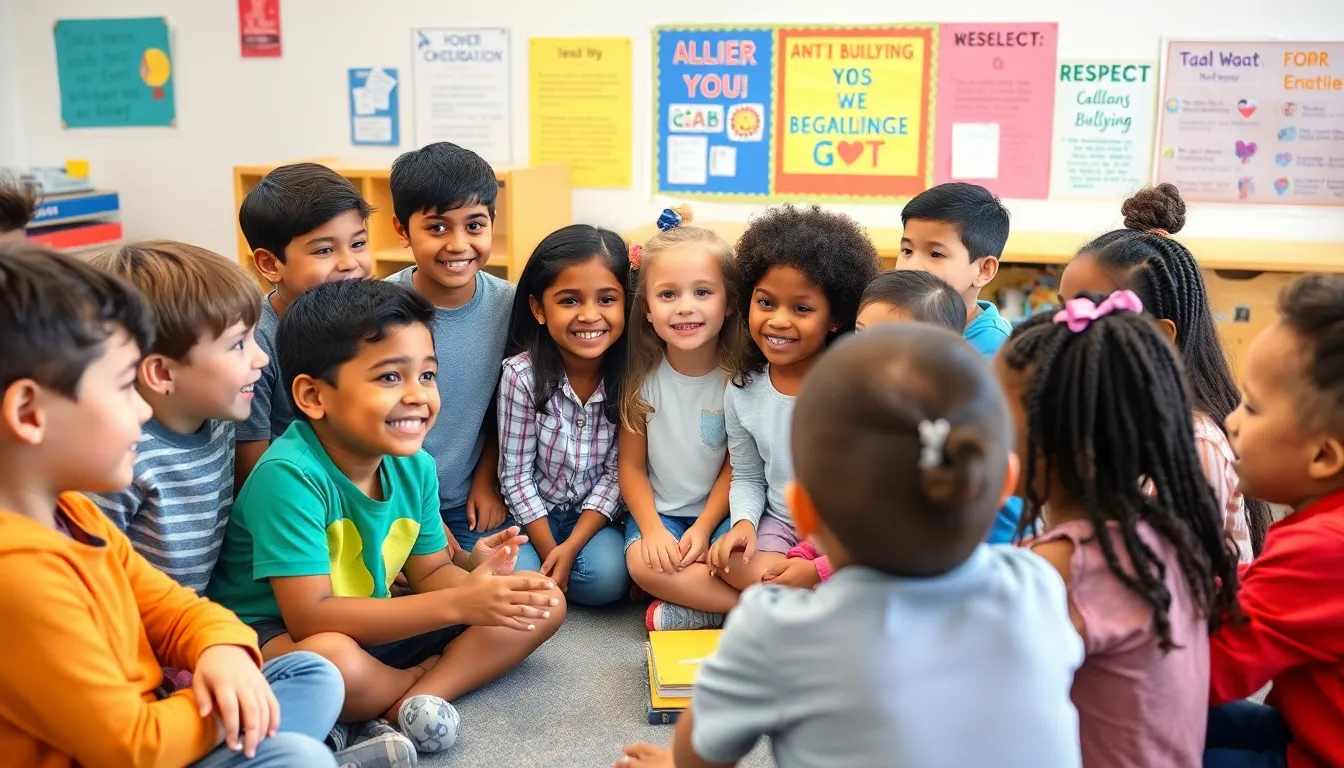
Effective strategies for bully prevention often involve targeted programs and community engagement. Implementing these approaches can create a safer, more inclusive environment.
School-Based Programs
School-based programs focus on addressing bullying directly within educational settings. These programs typically include:
- Education and Training: Staff and students receive training on recognizing, addressing, and preventing bullying behavior. Workshops provide tools for developing empathy and constructive conflict resolution skills.
- Curriculum Integration: Schools incorporate lessons on respect, diversity, and emotional intelligence into the curriculum. These lessons foster a culture of understanding and acceptance among students.
- Reporting Mechanisms: Schools establish clear and confidential reporting systems for bullying incidents. Providing accessible channels encourages victims and bystanders to speak up.
- Peer Support Initiatives: Programs that promote peer mentoring and support can empower students to intervene in bullying situations. Encouraged by a supportive environment, students become active participants in creating a safer school.
Community Involvement
Community involvement enhances bully prevention efforts beyond school environments. Key elements include:
- Partnerships with Local Organizations: Schools collaborate with local nonprofits, mental health organizations, and law enforcement to provide resources and support for anti-bullying initiatives. Combined efforts create a robust support network.
- Awareness Campaigns: Communities organize awareness campaigns to educate families and residents about the risks and consequences of bullying. These campaigns encourage open discussions and community-wide commitment to prevention.
- Support for Families: Providing resources and workshops for parents helps them recognize signs of bullying. Families equipped with knowledge can better support children facing bullying and foster open communication.
- Engagement Activities: Community events, such as workshops, seminars, and forums, invite residents to participate in discussions about bullying. These activities build a united front against bullying, promoting shared responsibility for fostering safe communities.
Role of Parents in Bully Prevention
Parents play a vital role in preventing bullying by fostering open communication and being actively involved in their children’s lives. Their engagement is key in creating a supportive environment where children feel safe and empowered to discuss their experiences.
Communication with Children
Effective communication strengthens the parent-child relationship. Parents should initiate regular discussions about daily experiences, including school, friendships, and any instances of conflict. Open dialogues encourage children to share concerns without fear of judgment. Parents can ask specific questions like, “How did your day go?” or “Did anything upset you at school today?” This approach helps children feel valued and understood.
Parents can also model positive communication techniques by demonstrating empathy and active listening. By showing genuine interest in children’s feelings, parents teach them how to express themselves clearly and respectfully. Encouraging children to articulate their emotions can equip them with the tools to handle conflicts and recognize bullying behaviors.
Monitoring Online Activity
Monitoring children’s online activities helps protect them from cyberbullying. Parents should establish guidelines for appropriate online conduct and use parental controls when necessary. Engaging in conversations about the potential risks of social media and online interactions prepares children to navigate challenges safely.
Parents can regularly check social media accounts and encourage an open exchange about online experiences. Discussing the importance of privacy settings and reporting inappropriate behavior fosters a sense of responsibility in children. By remaining involved in their digital lives, parents can help identify signs of distress or bullying, enabling them to intervene appropriately.
The Impact of Bully Prevention
Bully prevention initiatives yield significant benefits for individuals and communities. These programs enhance emotional well-being and promote a conducive environment for learning and growth.
Short-Term Benefits
Short-term benefits of bully prevention programs manifest immediately in various settings.
- Reduction in Incidents: Implementing prevention strategies can lead to a noticeable decline in bullying incidents within educational institutions and workplaces.
- Enhanced Student Engagement: Students exhibit increased participation in classes when they perceive a safer environment, leading to improved academic performance.
- Improved Relationships: Participants report healthier peer interactions and stronger bonds, contributing to a more cohesive community.
- Empowered Bystanders: Training individuals to recognize and intervene in bullying situations encourages proactive behaviors, fostering a supportive atmosphere.
Long-Term Outcomes
The long-term outcomes of effective bully prevention extend beyond immediate changes, creating a sustained positive impact.
- Improved Mental Health: Individuals who experience reduced bullying demonstrate lower levels of anxiety, depression, and stress, leading to better overall well-being.
- Increased Academic Success: A respectful and inclusive environment correlates with higher graduation rates and enhanced educational achievements for all students.
- Cultural Shift: Sustained prevention efforts contribute to an overarching culture of acceptance, respect, and empathy throughout communities.
- Resilience Building: Individuals develop important social skills and resilience, equipping them to handle conflicts effectively in future scenarios.
Bully prevention is an essential endeavor that requires collective effort from individuals, schools, and communities. By fostering a culture of empathy and respect, everyone can contribute to a safer environment. Implementing effective strategies not only addresses bullying behavior but also empowers individuals to stand up against it.
Parents play a crucial role in this process by maintaining open lines of communication and monitoring their children’s online interactions. This proactive approach can help identify issues early and create a supportive atmosphere.
Ultimately, the benefits of successful bully prevention extend beyond immediate safety, leading to improved mental health, academic success, and a more inclusive society. Together, communities can create lasting change that promotes well-being for all.

