
Nestled deep within the heart of nature, Lerakuty Cave boasts water so clear it’ll make your favorite bottled spring look like murky pond sludge. Ever wondered why? It’s not just a magical trick or the result of an overzealous cleaning crew. The secret lies in a unique blend of geology, filtration, and a sprinkle of Mother Nature’s magic.
As curious explorers peer into the depths, they find more than just crystal-clear water; they discover a world where clarity reigns supreme. This enchanting cave invites adventurers and scientists alike to dive into the science behind its pristine waters. Get ready to uncover the fascinating reasons behind Lerakuty’s transparency that’ll leave you both amazed and a little jealous of those lucky enough to see it firsthand.
Understanding Lerakuty Cave
Lerakuty Cave boasts unique geological formations that contribute to its crystal-clear water. These formations include limestone processes that enhance natural filtration, allowing impurities to be filtered out effectively. Water entering the cave undergoes multiple layers of filtration, originating from surrounding mountain springs.
The cave’s geological stability also plays a role in maintaining water clarity. Minimal human interference allows natural processes to thrive, thus preserving the water’s pristine condition. Sunlight filtering through cave openings promotes photosynthesis among aquatic plants, which can further enhance water quality.
Environmental factors contribute as well. The cave sits in a region with low pollution levels, reducing the likelihood of contaminants entering the water. Rainwater that seeps into the cave travels through soil and rock, gaining clarity as it moves. Each drop of water enhances the overall purity of the cave’s water source.
Studies indicate that the unique combination of elements creates an ideal environment for transparency. Research shows that Lerakuty Cave averages a pH level of 7-8, which optimizes conditions for maintaining clear water. Scientists find it a valuable site for investigating subterranean ecosystems and hydrology.
Visitors to Lerakuty Cave experience this natural wonder firsthand. Tourists often remark on the remarkable visibility below the water’s surface, making it perfect for both exploration and photography. The captivating nature of the cave continues to attract adventurers and researchers alike, each drawn by the allure of its crystal waters.
The Science Behind Clear Water
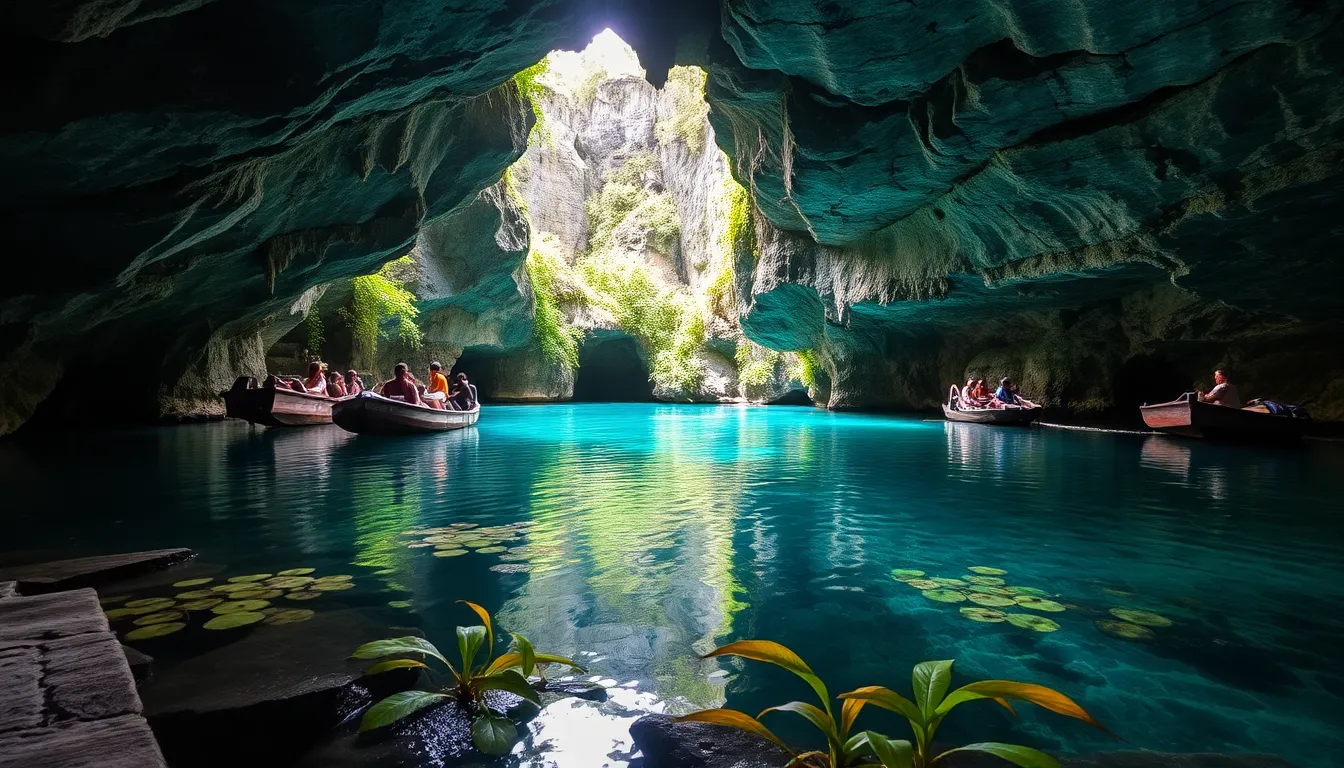
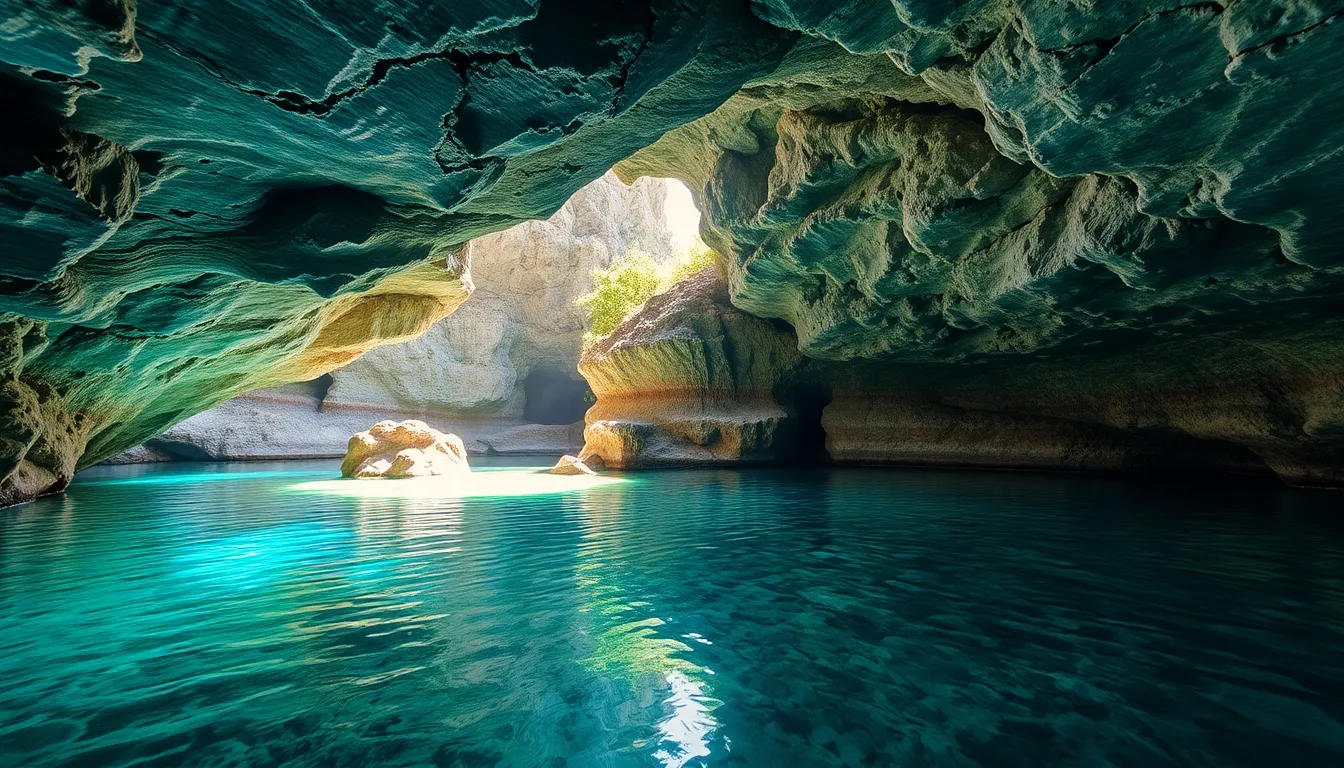
Lerakuty Cave’s water clarity results from intricate natural processes. Several factors contribute to this phenomenon, ensuring an unparalleled visual experience.
Natural Filtration Processes
Surrounding mountains play a crucial role in filtering water. As rainwater seeps through layers of soil and rock, impurities are removed effectively. The geological formations within the cave, predominantly limestone, further enhance natural filtration. Water traverses multiple layers, each acting as a barrier to pollutants. Minimal human activity in the area means reduced contamination risks, allowing the ecosystem to thrive. Aquatic plants benefit from sunlight filtering through openings, which promotes photosynthesis and filters additional particles. Such conditions help maintain the pristine quality of water, creating stunning visibility beneath the surface.
Mineral Composition
Rich minerals enhance the water’s clarity and quality. Calcium carbonate constitutes a significant part of the water’s mineral content and often leads to optimal pH levels. An average pH range of 7 to 8 promotes a balanced ecosystem, fostering healthy aquatic life. Essential minerals like magnesium and potassium also contribute to clearer water. Natural mineral content supports aquatic organisms, impacting overall water quality positively. These mineral interactions create an ideal environment for researchers studying subterranean ecosystems and hydrology. Clear water enriched with minerals showcases Lerakuty Cave’s natural beauty, drawing interest from visitors and scientists alike.
The Role of Environmental Factors
Environmental factors significantly influence the exceptional clarity of Lerakuty Cave’s water. These influences encompass geological formations and climate characteristics that work together to maintain pristine conditions.
Geological Influences
Limestone processes play a crucial role in the water’s clarity. Water moves through intricate networks of limestone, where natural filtration occurs. This filtration process removes impurities and sediments. Surrounding mountain springs also contribute significantly, as they further clean rainwater before it enters the cave. Geological stability within Lerakuty Cave minimizes disturbances, creating an optimal environment for clear water. Researchers have noted the presence of calcium carbonate, enhancing both clarity and water quality. The mineral-rich environment supports aquatic life and preserves the delicate ecosystem.
Climate Impact
Climate conditions contribute to the water’s transparency. Low pollution levels in the region reduce contamination risks, promoting pristine water quality. Rainwater seeps into the cave after passing through soil, where it accumulates purity. Moderate temperatures support the delicate balance of aquatic plants, which aid in clarity through photosynthesis. Average pH levels of 7-8 stabilize the water conditions, fostering an environment conducive to clear water. A combination of these climate factors ensures Lerakuty Cave maintains its remarkable water purity, making it an ideal site for scientific exploration.
Conservation of Water Clarity
Conserving water clarity in Lerakuty Cave involves maintaining its natural ecosystem. The low pollution levels in the surrounding region play a vital role in this conservation. Researchers emphasize that reduced human activity lessens the introduction of contaminants. Furthermore, the geological stability of the cave safeguards its pristine waters.
Limestone formations within the cave are essential for effective natural filtration. Water travels through various layers of soil and rock, allowing impurities to be removed efficiently. Rainwater entering the cave continues to gain clarity as it passes through these geological structures. Studies reveal that calcium carbonate present in the formations significantly enhances the water quality.
Aquatic plants thrive in the cave, benefiting from sunlight filtering through openings. These plants contribute to photosynthesis, which supports clearer water. Maintaining the right balance in the ecosystem fosters conditions conducive to aquatic life. Researchers note that the average pH level of 7-8 creates an optimal environment for sustaining clarity.
Climate characteristics contribute to the conservation of water clarity in Lerakuty Cave. Moderate temperatures and low pollution levels significantly influence the overall water quality. Collectively, these geological and climatic factors create an ideal habitat for scientific exploration. Their combined effects ensure the preservation of Lerakuty Cave’s remarkable clarity, attracting continued interest from the scientific community.

