
Adoption and fostering aren’t just about giving a child a home; it’s about creating a family that thrives on love, laughter, and maybe a few chaotic moments. Imagine a world where every child gets a chance to grow up surrounded by warmth and support, instead of just a roof over their head. That’s the magic of adopting or fostering—turning hearts into homes.
Understanding Adoption And Fostering
Adoption and fostering play crucial roles in providing children with stable and loving environments. These processes create supportive families that significantly enhance a child’s well-being.
Definition Of Adoption
Adoption refers to the legal process of permanently placing a child with a family. This act establishes a lifelong relationship between the child and the adoptive parents. Adoptive parents assume all parental rights and responsibilities, ensuring the child receives love, support, and care. The process may involve infants, toddlers, or older children, fostering a sense of belonging in a family unit. International and domestic adoptions exist, catering to various needs and preferences. The ultimate goal is to create safe, nurturing spaces where children can thrive.
Definition Of Fostering
Fostering involves temporarily caring for children who cannot live with their biological families. This supportive arrangement provides stability during a challenging time, focusing on the child’s emotional and physical needs. Foster parents offer a nurturing environment that promotes healing and growth in the child. Generally, fostering can last from a few weeks to several years, based on each child’s situation. The primary aim is to support the child until they can reunite with their birth family or be placed permanently in an adoptive home.
The Adoption Process
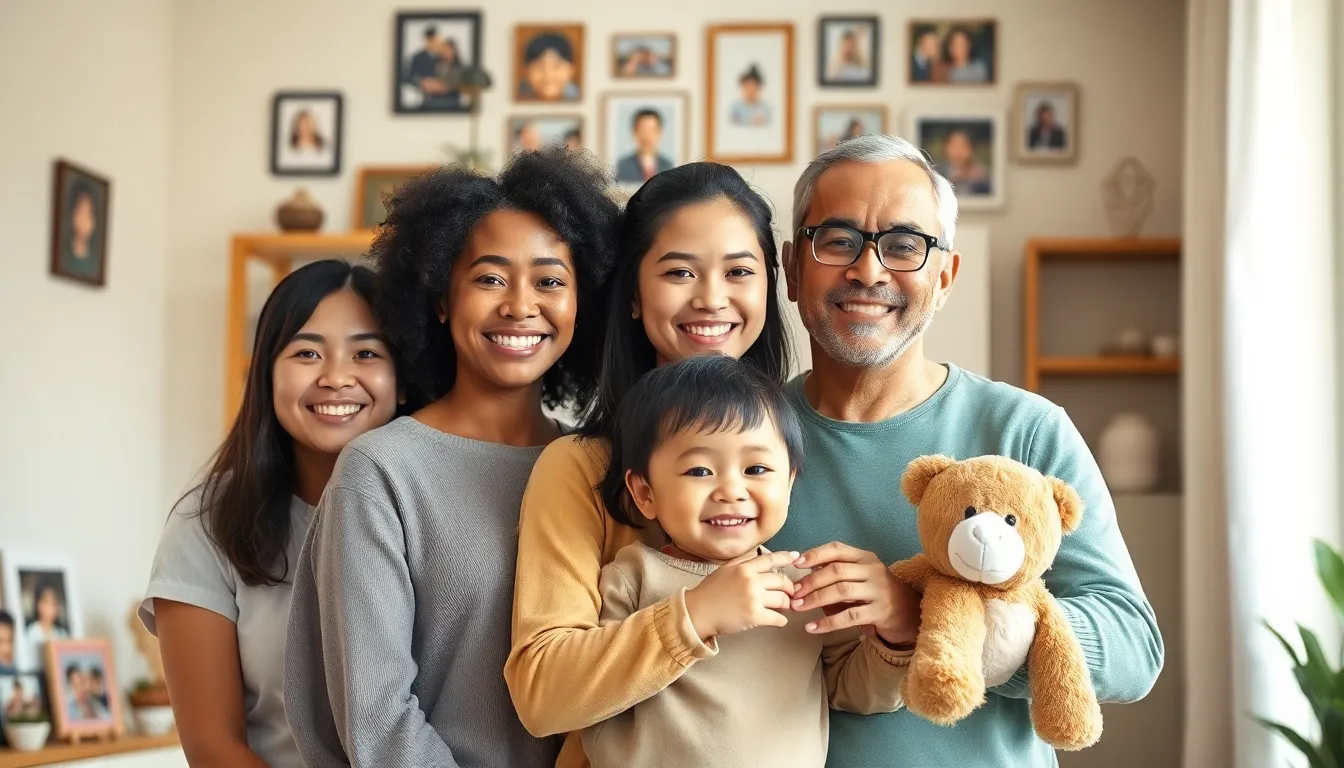
The adoption process involves several key steps to ensure a smooth transition for children and families.
Steps Involved In Adoption
Initial orientation sessions provide critical information about the adoption journey. They familiarize prospective adopters with necessary paperwork and legal requirements. Background checks and home studies ensure a safe environment for children. Following this, prospective parents attend training sessions to prepare for adoption challenges. After these preparations, matches occur between children and families. Finally, the adoption finalization ceremony legally recognizes the new family relationship.
Types Of Adoption
Adoption types vary based on circumstances and family dynamics. Domestic adoption pertains to adopting children within the same country. International adoption involves children from foreign nations seeking permanent homes. Foster care adoption occurs when a child in the foster system becomes eligible for permanent placement. Open adoption maintains varying degrees of contact with the birth family, allowing ongoing relationships. Closed adoption prohibits contact and communication, providing privacy for the birth family.
The Fostering Journey
The fostering journey involves dedication and understanding. It provides crucial support for children in need of stability and love.
Requirements To Become A Foster Parent
To become a foster parent, individuals must meet specific criteria. They must be at least 21 years old and often need to pass background checks. Training sessions educate potential foster parents about issues related to trauma and attachment. A home study evaluates the living situation to ensure a suitable environment. Prospective foster parents must demonstrate the ability to provide emotional support and foster resilience in children. Documentation of financial stability is also necessary, ensuring that parents can meet the child’s needs. In many states, foster parents engage in ongoing training and support groups, reinforcing their commitment and skills.
Benefits Of Fostering Children
Fostering children offers numerous benefits for both children and parents. Children gain a safe and nurturing environment during difficult times. They often experience emotional healing and stability through supportive relationships. Foster parents develop strong connections, fostering personal growth and empathy. Many find fulfillment in helping children navigate challenges and improve their futures. Financial assistance may also be available to assist with the costs associated with caring for a foster child. Connections to community resources provide additional support for the entire family throughout the fostering experience.
Challenges In Adoption And Fostering
Adoption and fostering involve numerous challenges that can impact the children and families involved. Understanding these challenges helps to navigate the journey effectively.
Emotional Challenges
Emotional challenges often arise during adoption and fostering. Many children experience trauma from their past, which can lead to behavioral issues or trust difficulties. Building strong relationships becomes crucial, as children may take time to feel secure in their new environment. Parents must manage their own emotions while fostering connections with children who may struggle with attachment. Effective communication remains vital, as it helps to address feelings of loss or separation. Support from peers or professional counselors can aid in processing these emotions, promoting healing and stability.
Legal Challenges
Legal challenges frequently complicate the adoption and fostering process. Navigating complex laws requires meticulous attention to legal paperwork and timelines. Ensuring compliance with local regulations helps maintain a smooth transition for children. Background checks and home studies play a critical role in this legal framework. Delays may occur due to court schedules, which can stress both children and parents. Understanding the different types of adoption and their corresponding requirements is essential to avoid pitfalls. Working closely with legal professionals provides clarity and guidance throughout the process.
Adoption and fostering are transformative journeys that create lasting bonds and provide children with the love and support they need. These processes not only change the lives of children but also enrich the lives of families who open their hearts and homes.
While challenges exist in navigating emotional and legal hurdles, the rewards far outweigh the difficulties. By fostering understanding and compassion, families can create nurturing environments that promote healing.
Ultimately, the commitment to adoption and fostering is a powerful testament to the human capacity for love and resilience, making a significant difference in the lives of children and their new families.

