
Adoption is a beautiful journey filled with hope and new beginnings. Yet, before families can welcome a child into their lives, they must navigate the essential process of an adoption home study. This crucial step ensures that prospective parents are prepared for the responsibilities of raising a child and that the environment is safe and nurturing.
The home study process involves a comprehensive evaluation that assesses the family’s living situation, background, and readiness for adoption. It’s not just a formality; it’s a vital safeguard for children, ensuring they find loving and supportive homes. Understanding what to expect during a home study can help families approach this step with confidence and clarity, paving the way for a successful adoption journey.
Understanding Adoption Home Study
An adoption home study serves as a vital assessment for prospective adoptive parents, ensuring suitable placements for children. It evaluates the family’s overall readiness and circumstances in preparation for adoption.
Definition of Adoption Home Study
An adoption home study is a comprehensive evaluation process conducted by a licensed social worker or adoption agency. This study includes interviews, background checks, and home visits. It aims to assess the family’s living conditions, financial stability, and parenting skills. The process usually takes 3 to 6 months, depending on the agency and the family’s preparedness.
Importance of Adoption Home Study
An adoption home study plays a crucial role in safeguarding children’s well-being and ensuring a supportive environment. It serves multiple functions:
- Safety Assessment: It ensures the child’s safety by evaluating the home environment and identifying any potential risks.
- Preparation for Parenthood: It equips prospective parents with the knowledge about parenting challenges and expectations.
- Evaluation of Suitability: It determines if applicants possess the emotional, financial, and social capabilities required for adoption.
- Legal Requirement: Many states mandate a home study for adoption eligibility, making it a necessary step in the process.
The adoption home study promotes transparency and encourages honest conversations among potential parents, facilitating a smoother adoption journey.
The Home Study Process
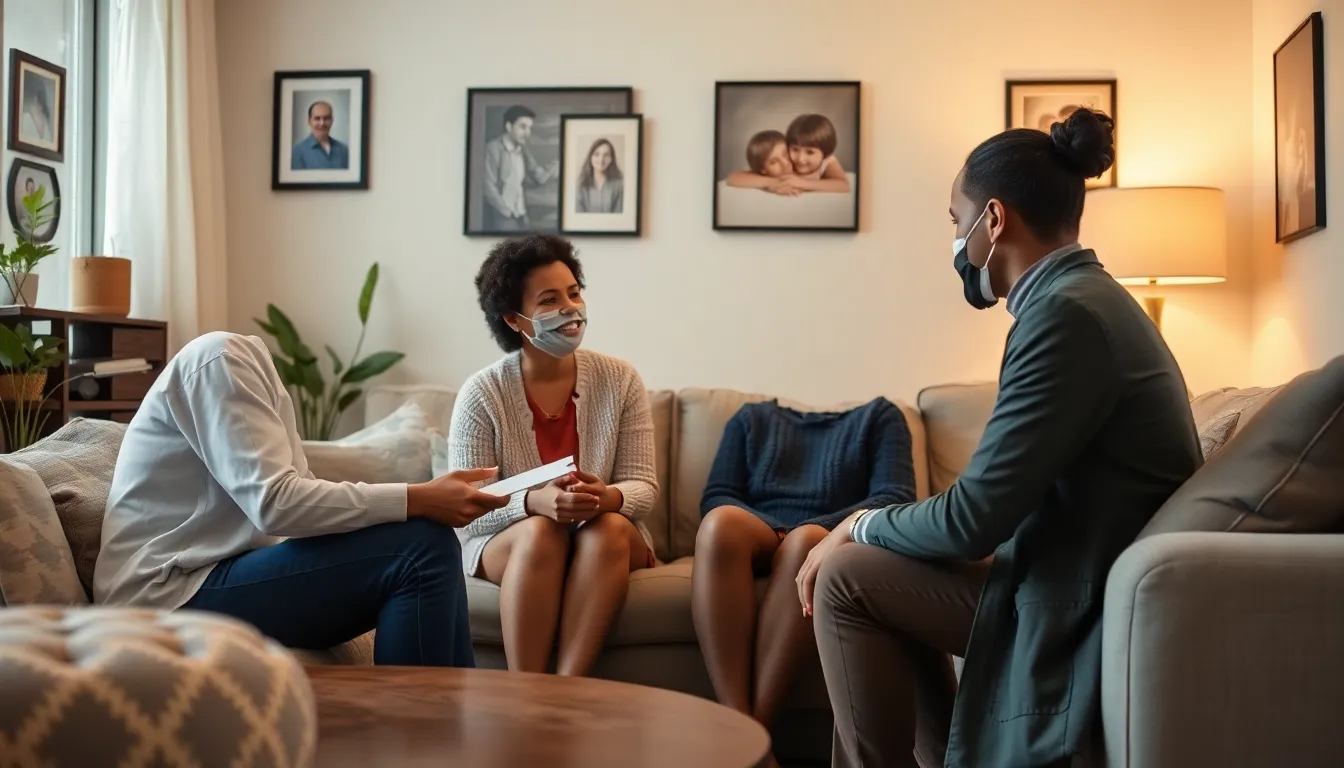
The home study process consists of several key steps designed to evaluate and prepare prospective adoptive parents for adoption. Each stage plays a vital role in ensuring a suitable match for children seeking homes.
Initial Application and Screening
Initial application and screening begin with prospective parents submitting an application to an adoption agency or social worker. This application typically includes personal information, family backgrounds, and reasons for adopting. After receiving the application, agencies often conduct a preliminary review to assess the family’s qualifications and readiness to adopt. The screening process includes gathering foundational information and determining the appropriateness of moving forward to the next steps.
Interviews and Home Visits
Interviews and home visits provide valuable insights into prospective parents’ lifestyles and home environments. Social workers conduct multiple interviews, covering topics such as parenting philosophies, relationship dynamics, and family support systems. Home visits follow these interviews, where the social worker evaluates the living conditions. They observe the safety, cleanliness, and overall atmosphere of the home, making sure it meets the necessary standards for raising a child.
Documentation and Background Checks
Documentation and background checks complete the home study process by ensuring that potential parents meet legal and safety requirements. Prospective parents must provide various documents, including financial statements, employment letters, and health records. Background checks involve scrutiny of criminal histories, child abuse registries, and other relevant sources to confirm the safety and well-being of the children. This documentation helps establish the family’s ability to provide a secure, loving environment for an adopted child.
Types of Home Studies
Various types of home studies cater to different adoption scenarios. Understanding each type helps prospective parents navigate the process smoothly.
Domestic Adoption Home Study
Domestic adoption home studies focus on adopting children within the same country. This process evaluates the family’s background, financial stability, and readiness for parenting. It includes interviews, home visits, and background checks by a licensed social worker. The social worker assesses the home environment for safety and suitability. State regulations often dictate specific requirements, such as minimum income standards or parenting experience.
International Adoption Home Study
International adoption home studies apply to families looking to adopt children from other countries. This type of study usually requires additional steps due to varying international regulations. Aspects evaluated include the family’s capability to meet the cultural and emotional needs of an adopted child from another country. Background checks, interviews, and home evaluations remain essential components. Prospective parents must also comply with the requirements set by the foreign country, including documentation of health and home conditions.
Foster Care Adoption Home Study
Foster care adoption home studies cater to families interested in adopting children from the foster care system. This process emphasizes understanding the specific needs and challenges faced by children in foster care. Evaluations explore the family’s ability to support children with trauma or emotional issues. In addition to typical assessments, families receive training on fostering and parenting techniques specific to the foster care experience. Background checks, interviews, and home studies remain integral to ensuring a stable and nurturing environment for foster children.
Common Challenges in Home Studies
Several challenges may arise during the adoption home study process. Addressing these issues head-on contributes to a smoother experience for prospective parents.
Addressing Concerns and Misconceptions
Misunderstandings about home studies often create anxiety. Many prospective parents believe that home studies entail invasive scrutiny of their lives. In reality, home studies focus on ensuring a child’s safety and well-being. Adoption agencies aim to gauge families’ readiness, not to assess perfection. Providing accurate information during interviews and maintaining open communication with social workers fosters a more constructive dialogue.
Overcoming Emotional Hurdles
Emotional challenges frequently accompany the home study process. Anxiety about being judged can hinder a parent’s confidence. Many individuals also face apprehension about revealing personal history or home environments. Acknowledging these emotions is vital; prospective parents can benefit from discussing their feelings with supportive friends or counselors. A positive mindset, along with a willingness to cooperate and learn, significantly eases the emotional burden of the journey.
Preparing for an Adoption Home Study
Preparing for an adoption home study involves gathering essential documents and information to demonstrate readiness to adopt. Understanding what is required helps streamline the process for prospective parents.
Required Documents and Information
- Personal identification: Prospective parents must provide copies of government-issued IDs, such as driver’s licenses and passports.
- Financial statements: Documentation of income, such as pay stubs, bank statements, and tax returns, showcases financial stability.
- Health clearances: Medical exams or health records demonstrate physical and mental well-being, including vaccinations for any current children.
- Background checks: Completed criminal background checks for all adults in the household help ensure a safe environment.
- Home environment details: Information describing the living situation, including rental agreements or mortgage statements, shows the stability and suitability of the home.
- References: Letters from friends, family, or colleagues support the applicants’ character and readiness for parenting.
Tips for a Successful Home Study
- Organize documents: Keeping all required documents organized and readily accessible speeds up the review process.
- Be honest: Transparency about past challenges or experiences fosters trust with the social worker.
- Communicate openly: Engaging in open discussions during interviews helps clarify intentions and readiness.
- Prepare the home: Ensuring the home is clean, safe, and child-ready reflects commitment to parenting.
- Practice interview skills: Role-playing potential questions can reduce anxiety and build confidence.
- Stay positive: Maintaining a positive outlook and being open to feedback encourages collaboration and eases the process.
The adoption home study is a vital step that lays the groundwork for a successful adoption journey. By understanding its components and preparing adequately, prospective parents can approach this process with confidence.
This evaluation not only assesses the family’s readiness but also ensures that children are placed in loving and safe environments. Emphasizing open communication and honesty throughout the home study can alleviate anxiety and foster a positive experience.
Ultimately, this crucial step helps families transition smoothly into parenthood while prioritizing the well-being of children awaiting adoption. Embracing the home study process can lead to fulfilling and transformative experiences for both parents and children alike.

