
Imagine a world where kids whip up gourmet meals while you kick back and relax. Sounds like a dream, right? Well, it’s time to turn that fantasy into reality! Teaching children to cook not only equips them with essential life skills but also sparks creativity and boosts confidence. Plus, who wouldn’t want a mini chef in the kitchen?
From mastering the art of the perfect pancake flip to concocting their own secret sauce, cooking can be a delightful adventure for kids. It’s messy, it’s fun, and let’s face it—there’s nothing quite like the joy of a child proudly presenting their culinary masterpiece. So roll up those sleeves, grab some aprons, and prepare for laughter, learning, and maybe a few kitchen mishaps along the way. Cooking together isn’t just about the food; it’s about creating memories that last a lifetime.
Benefits Of Children Cooking
Teaching children to cook provides numerous advantages, from life skills to building confidence. Engaging in culinary activities allows kids to enjoy the process of creation while learning important lessons.
Enhancing Life Skills
Cooking helps children acquire fundamental life skills essential for independence. Meal preparation introduces them to tasks such as measuring ingredients, following directions, and managing time effectively. These skills translate into better organization and problem-solving abilities. Children learn to handle kitchen tools safely while developing an understanding of nutrition. Preparing balanced meals instills a sense of accountability for their health. They also discover teamwork when cooking with others, fostering collaboration and communication. These experiences enhance children’s ability to navigate daily life.
Building Confidence
Participating in cooking builds self-esteem in children. Successfully creating a dish boosts their pride in their accomplishments. Experimenting with flavors and ingredients encourages creativity, enabling them to express personal preferences within their cooking. Feedback from family and friends reinforces their skills, creating a positive reinforcement loop. As children share their culinary creations, they become more comfortable in social situations. Discovering that their efforts yield delicious results promotes a willingness to take risks in other areas of life. Cooking instills a sense of achievement that carries into their everyday activities.
Age-Appropriate Cooking Activities
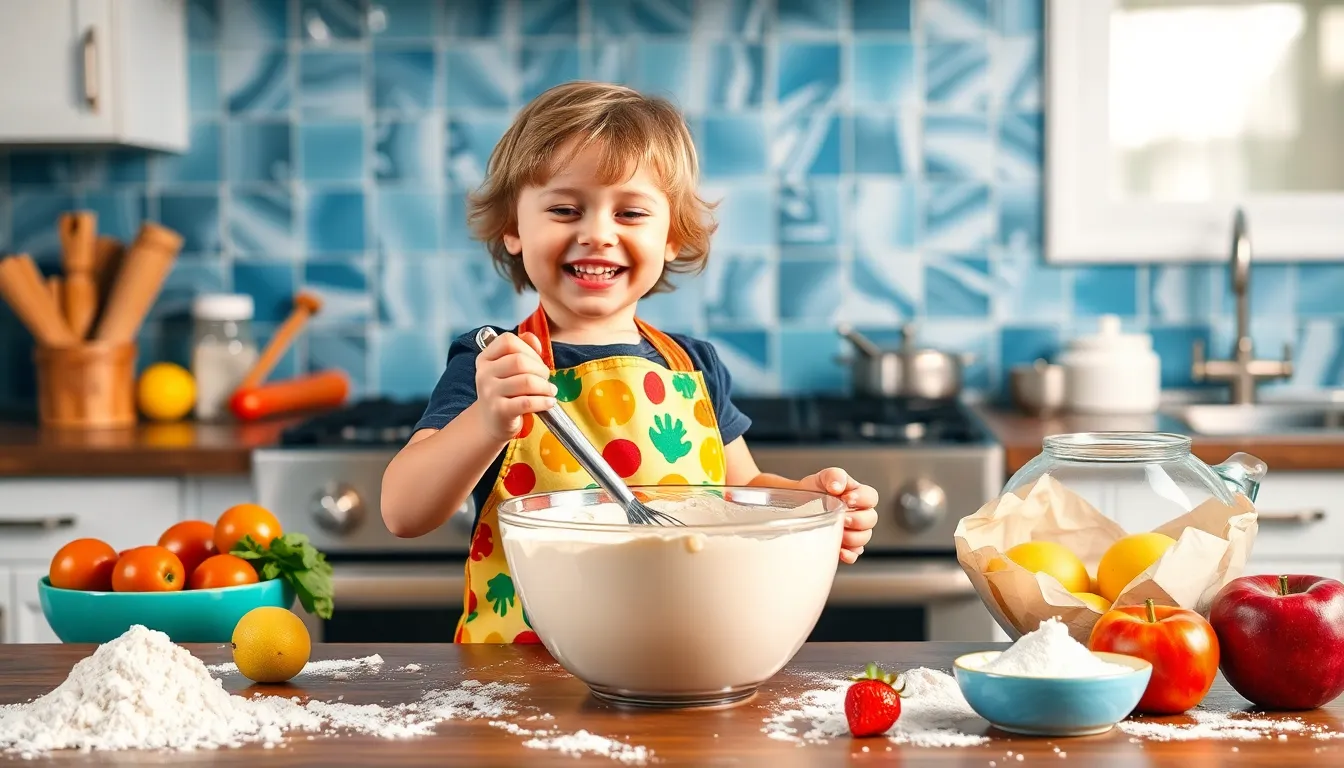
Cooking activities vary based on age, allowing children to engage with the kitchen safely and enjoyably. Tailored tasks foster confidence and creativity while teaching essential skills.
Toddler-Friendly Recipes
Toddlers can explore fun, easy recipes that encourage hands-on participation. Simple tasks include stirring, pouring, and assembling ingredients. Engaging children in making no-bake snacks like peanut butter and banana bites or decorating pre-made cookies introduces them to flavors and textures. These activities promote fine motor skills and creativity. Parents can guide kids in selecting colorful fruits for fruit skewers or simple sandwiches, ensuring enjoyable learning experiences.
Activities for Older Kids
Older kids can handle more complex recipes that involve cooking techniques. They can learn to prepare scrambled eggs, pasta dishes, or mini pizzas. These tasks enhance their understanding of kitchen safety and timing. Encouraging kids to follow a recipe from scratch fosters independence. Incorporating meal planning and ingredient substitutions hones critical thinking skills. Options like baking a cake or making homemade sauces allow older children to experiment creatively while developing a sense of accomplishment in the kitchen.
Safety Tips For Children In The Kitchen
Cooking involves various safety considerations. Prioritizing safety ensures a fun, learning-filled experience for children.
Kitchen Hazards To Avoid
Hot surfaces pose significant risks. Children should stay clear of stovetops and ovens. Sharp utensils require careful handling. It’s essential to teach kids to use knives under adult supervision. Spills on the floor can lead to slips. Cleaning them immediately keeps the kitchen safe. Electrical outlets also present hazards. Covering unused outlets prevents shocks and accidents. Lastly, raw ingredients like meat can harbor bacteria. Teaching proper food safety practices minimizes health risks.
Importance Of Supervision
Supervision remains critical in the kitchen. Adults provide guidance for safe equipment usage. They can quickly intervene if accidents occur. Monitoring cooking processes supports children in developing skills while staying safe. Frequent check-ins also encourage confidence. With adults around, kids can ask questions or express concerns without hesitation. Engaging with them fosters a collaborative cooking environment. Ensuring children cook alongside adults builds trust and enhances learning experiences. Balancing independence with oversight promotes safer cooking practices.
Fun Cooking Techniques To Try
Engaging children in various cooking techniques encourages creativity and hands-on learning. Stir-frying offers a quick method that involves tossing ingredients over high heat, making it perfect for young chefs interested in speed. Baking provides an opportunity for measuring and timing, as kids watch their creations rise and change before their eyes.
Roasting vegetables allows children to explore flavors while participating in a healthy cooking method. They can mix different veggies with seasonings and observe how roasting brings out natural sweetness. Using a slow cooker introduces them to meal prep, teaching patience as they wait for flavors to meld over time.
Grilling is another enjoyable technique. Kids can safely grill fruits or vegetables while experiencing a fun change in texture. They learn about marinating and flavor infusion, making their dishes more exciting.
Chopping, though requiring supervision, enhances fine motor skills. Children can practice techniques with safe utensils, developing confidence in using kitchen tools. Folding ingredients gently combines textures and enhances presentations, letting creativity shine.
Making homemade pizza is a simple way to incorporate various techniques. Kids can knead dough, spread sauce, and sprinkle toppings, fostering ownership over their culinary creations.
Experimenting with no-bake recipes engages creativity while ensuring safety. Energy balls or yogurt parfaits require minimal equipment and demonstrate how prepping healthy snacks can be fun.
Every technique strengthens children’s cooking skills and promotes enjoyment in the kitchen. Whether they learn through hands-on practice or by watching parents, each method contributes to their culinary journey.
Encouraging Healthy Eating Habits
Teaching children to cook promotes healthy eating habits, instilling a lifelong appreciation for nutritious foods. Preparing meals together allows kids to discover fresh ingredients, enhancing their understanding of where food comes from. Familiarizing children with fruits and vegetables increases their likelihood of including these foods in their diets.
Hands-on cooking experiences encourage children to try new flavors and textures. Experimenting with various herbs and spices sparks interest in diverse cuisines, making mealtime adventurous rather than routine. Establishing a routine of cooking at home can replace processed, unhealthy options with wholesome meals.
Utilizing age-appropriate recipes allows children to grasp essential cooking techniques. Simple tasks like washing vegetables and mixing ingredients build their confidence in the kitchen while fostering decision-making skills. When children engage in meal planning, it reinforces the importance of balanced nutrition.
Creating a colorful plate with a variety of foods makes meals visually appealing. Engaging in discussions about nutrition during cooking promotes awareness of how foods affect body health. Encouraging children to participate in grocery shopping teaches them how to choose healthier options while learning to read labels effectively.
Incorporating cooking challenges can motivate kids to make healthier choices. Setting fun goals like trying one new vegetable each week promotes exploration and curiosity about food. Celebrating their achievements reinforces positive behavior, making healthy habits more enduring.
Sitting down together to enjoy meals allows families to connect and discuss their experiences. Sharing the cooking process fosters openness and communication, strengthening relationships. Enjoying healthy creations not only satisfies hunger but turns mealtime into a cherished family tradition.
Encouraging children to cook is a rewarding journey that nurtures essential life skills while creating lasting memories. As they mix ingredients and explore flavors, kids gain confidence and independence in the kitchen. This hands-on experience not only fosters creativity but also instills a sense of responsibility for their health and well-being.
The joy of preparing meals together strengthens family bonds and promotes healthy eating habits. By engaging in cooking, children learn valuable lessons that extend beyond the kitchen, enhancing their problem-solving skills and boosting their self-esteem. Embracing this culinary adventure can transform mealtime into a cherished tradition filled with laughter and learning.

