
In a world where potty training is often seen as a rite of passage, the sight of older kids in diapers can raise eyebrows and spark curiosity. But what if there’s more to this unusual scenario than meets the eye? While it might seem like a quirky topic, the reasons behind older kids wearing diapers can be surprisingly relatable and even humorous.
Understanding Elementary School Older Kids in Diapers
Understanding the reasons why some older kids in elementary school wear diapers requires an open mind. Many factors contribute to this situation, ranging from medical conditions to emotional challenges.
Medical conditions like autism spectrum disorder often lead to difficulties in mastering bowel control, resulting in the need for diapers. Kids with these issues may struggle with sensory processing or anxiety related to using the restroom.
Developmental delays can also play a significant role in potty training. Some children may face challenges that hinder their ability to achieve this milestone on time. Approaching this subject requires sensitivity and acknowledgment of individual variations.
Emotional factors sometimes influence the decision to use diapers. A child experiencing major life changes, such as a new sibling or family relocation, might revert to previous behaviors for comfort. Regressions occur as children seek reassurance during stressful transitions.
Peer relationships within the school environment contribute to the narrative. Bullying or shaming can hinder a child’s willingness to embrace toilet training. Social support from peers, teachers, and family offers encouragement and can alleviate stigma.
Cultural considerations also matter. In certain regions, parents may choose to use diapers longer for convenience or beliefs in gradual potty training.
Awareness of underlying causes encourages compassion and understanding. It fosters a supportive environment that recognizes the unique experiences of each child. Understanding these dynamics aids in promoting positive attitudes towards older kids in diapers.
Reasons for Diaper Use
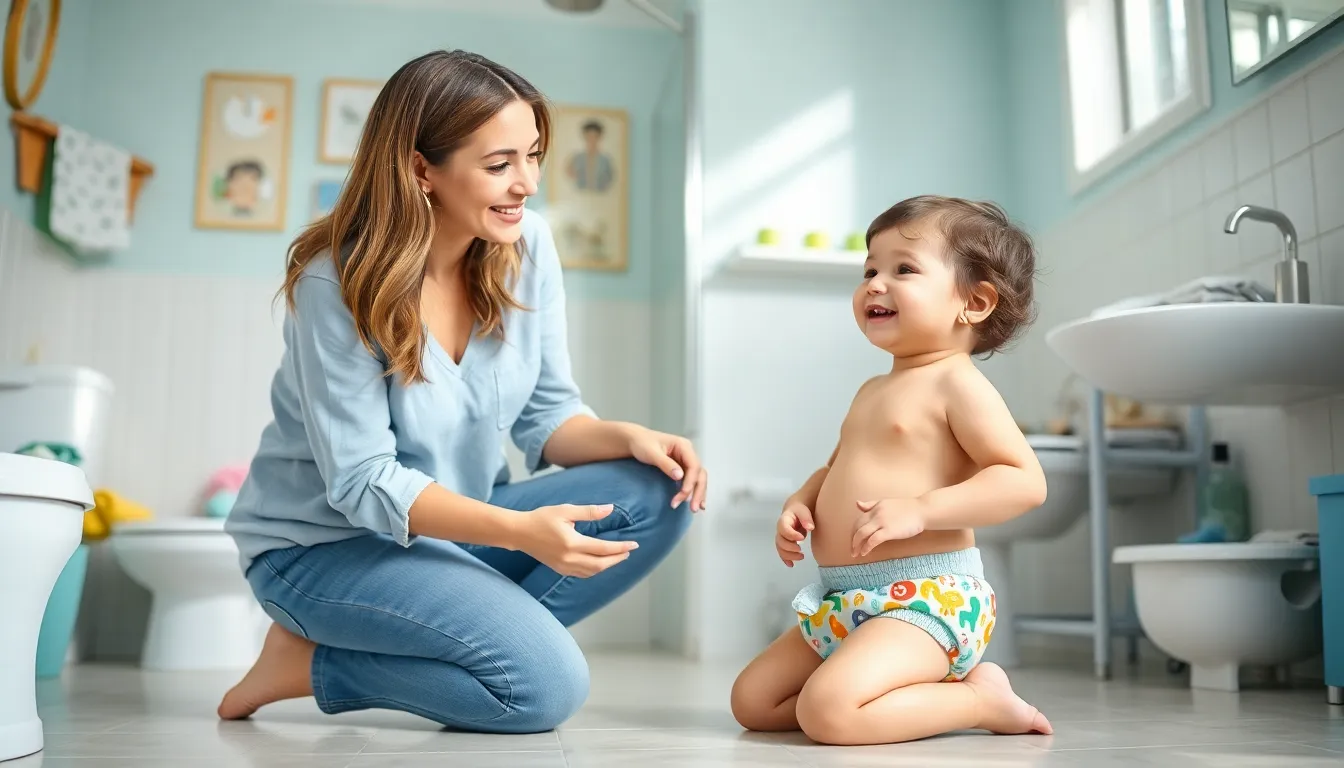
Understanding the reasons for diaper use among older children reveals a complex interplay of factors.
Medical Conditions
Medical conditions frequently contribute to older children wearing diapers. Conditions such as gastrointestinal disorders can lead to difficulties with bowel control. Children diagnosed with autism spectrum disorder often face sensory processing challenges that impact their ability to use the toilet. Anxiety can exacerbate these issues, making it hard for some kids to manage toilet training. Each child’s medical background informs their experience, highlighting the need for individualized approaches.
Developmental Delays
Developmental delays also play a crucial role in diaper use among older kids. When children experience delays in motor skills or cognitive development, toilet training may take longer. Parents often find that some children struggle to understand body signals related to using the bathroom. Observing these differences is essential for providing support and encouragement. Additionally, patience can foster a more positive toilet training experience.
Special Needs
Special needs significantly influence diaper use in older children. Many kids with special needs face unique challenges that complicate potty training. Support from caregivers must accommodate each child’s abilities and comfort levels. For some families, extended use of diapers becomes a practical solution that alleviates stress during daily routines. Understanding and addressing these special needs promotes a compassionate framework within which children can thrive.
Social Considerations
Navigating social dynamics can be complex for older children in diapers. Understanding the various factors affecting their experiences sheds light on these challenges.
Peer Reactions
Peer reactions significantly influence a child’s sense of self-worth. Friends can show curiosity or ridicule, impacting how comfortable a child feels in social settings. Some children may experience bullying, which discourages them from engaging with their peers. Others might form strong friendships, providing emotional support and acceptance. Awareness of this environment and proactive discussions can foster resilience among children. Schools also play a critical role by promoting inclusion and educating students about differences, helping to reduce stigma.
Family Support
Family support acts as a cornerstone during this period. Understanding parents can make a substantial difference by creating a nurturing atmosphere. Many families focus on patience, recognizing that individual timelines for potty training vary. Open communication about feelings can alleviate anxiety, with parents helping children navigate social situations. Encouragement during challenging moments reinforces a child’s self-esteem. Regular discussions about emotions and experiences further empower children, fostering positive family dynamics. Involving siblings in the conversation can also enhance support and acceptance within the household.
Solutions and Support Systems
Understanding the needs of elementary school children wearing diapers can foster a supportive environment. Solutions and support systems play vital roles in addressing this situation.
Communication with Schools
Establishing open lines of communication with schools is essential for ensuring a child’s comfort. Parents should inform teachers and school staff about their child’s needs related to diaper use. Regular discussions help staff understand the child’s situation and can lead to tailored accommodations. Many schools are equipped to handle varied needs, promoting a safe space for children. Collaboration among parents, teachers, and school counselors fosters a supportive network that eases the child’s experience. Clear communication also reassures children, helping them feel secure while navigating school life.
Resources for Parents
Numerous resources are available for parents supporting older children in diapers. Local support groups offer valuable insight and shared experiences from other families. Online forums and communities provide a platform for discussions and tips on managing challenges. Educational materials are accessible from pediatric healthcare providers addressing specific medical conditions and potty training strategies. Organizations dedicated to developmental disorders often share information that can assist parents in finding tailored solutions. Leveraging these resources equips parents with the knowledge and support necessary to nurture their child’s well-being effectively.
Navigating the complexities of older children wearing diapers requires empathy and understanding. Each child’s situation is unique and influenced by various factors that extend beyond simple potty training challenges. By fostering open communication and collaboration between parents and educators, families can create a supportive environment that encourages growth and confidence.
It’s essential to recognize the emotional and social dynamics at play, as they significantly impact a child’s self-esteem and willingness to engage with peers. With the right resources and support systems in place, families can help their children thrive despite the challenges they face. Embracing patience and compassion will ultimately lead to a more inclusive and nurturing atmosphere for all children.

