
When it comes to kids and food, safety isn’t just a buzzword—it’s a superhero cape that protects little tummies from the villainous germs lurking in their meals. With tiny hands exploring everything from peanut butter to pizza, parents often find themselves juggling the delicate balance between culinary creativity and food safety. After all, nobody wants a surprise visit from the food poisoning fairy!
Teaching kids about food safety can be as fun as a game of hide-and-seek. From washing hands like it’s a dance-off to understanding the importance of cooking temperatures, these lessons not only keep kids healthy but also turn them into mini food safety champions. So buckle up for a tasty adventure where learning meets laughter, and discover how to make mealtime both safe and enjoyable for the little ones.
Importance of Food Safety for Kids
Food safety is crucial for kids due to their developing immune systems. Young children are more vulnerable to foodborne illnesses, which can lead to serious health complications. Ensuring safe food practices minimizes the risk of infections caused by harmful germs.
Parents play a significant role in teaching food safety at home. Engaging children in cooking can foster awareness about cleanliness and proper food handling. When kids understand the importance of washing hands before meals, they adopt this habit as a routine.
Encouraging proper cooking temperatures helps in preventing foodborne illnesses. For example, ground meats should reach an internal temperature of 160°F, while poultry should hit at least 165°F. These practices ensure that harmful bacteria are killed during cooking.
Educational activities can reinforce food safety lessons. Games or challenges that involve identifying safe food practices can engage children and make learning fun. Incorporating visuals, such as charts that depict safe food handling steps, can enhance their comprehension.
Time spent learning about food safety can empower children to make informed choices. Providing them with knowledge means they can become advocates for their own health. Strong food safety habits not only protect kids today but also instill lifelong practices for their future.
Promoting food safety contributes to a positive mealtime experience. Safe food handling reduces anxiety around eating out or trying new foods. Families benefit from embracing these practices, as they foster a love for healthy eating while ensuring safety.
Common Food Safety Risks
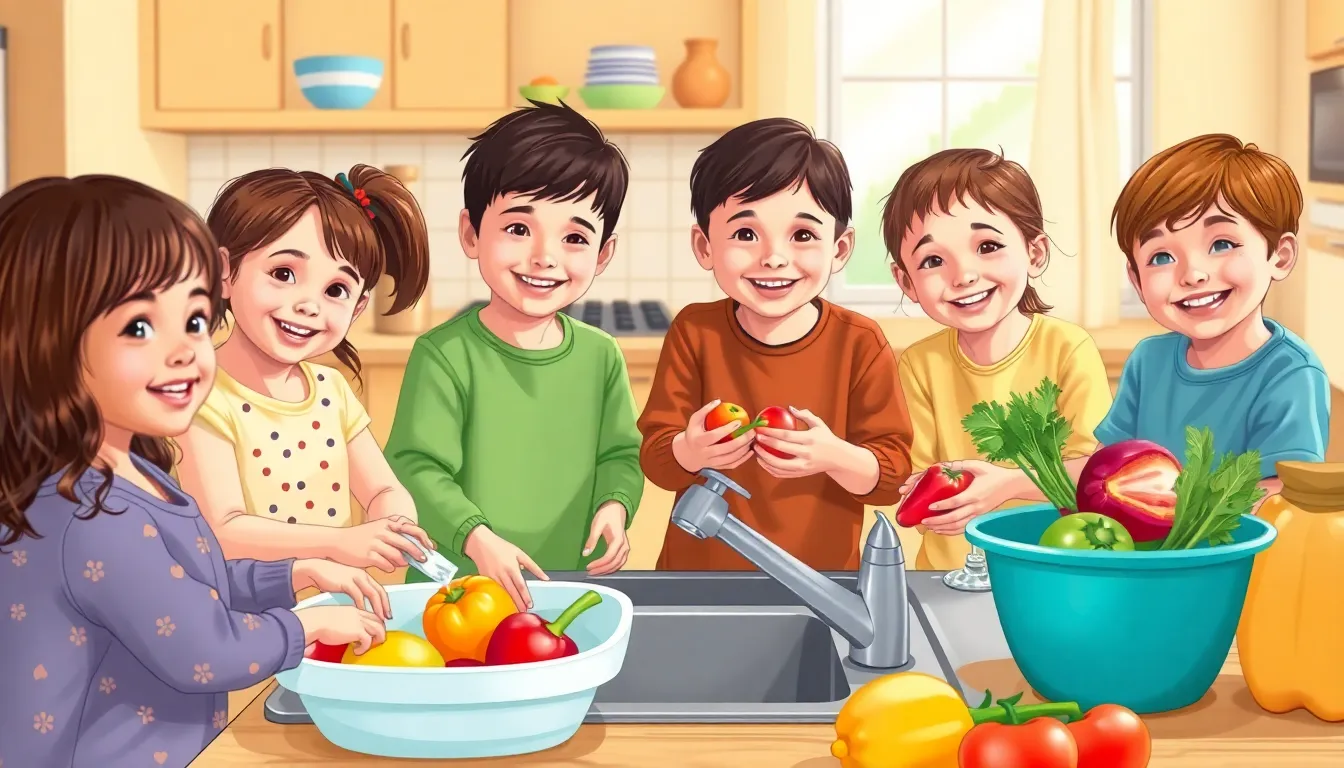
Food safety risks pose significant challenges for children. Understanding these risks is essential for protecting their health.
Contaminated Foods
Contaminated foods often lead to foodborne illnesses. Harmful bacteria like Salmonella and E. coli may lurk in undercooked meats and improperly washed fruits and vegetables. An analysis by the Centers for Disease Control and Prevention (CDC) indicates that nearly 48 million Americans suffer from foodborne illnesses each year, with children at higher risk due to their developing immune systems. Thorough cooking and washing are crucial; ground meats must reach 160°F, and poultry needs to hit at least 165°F to eliminate harmful pathogens. Parents should emphasize proper food handling practices to ensure children learn how to avoid these risks.
Allergens and Sensitivities
Food allergens represent another significant risk for children. Common allergens include milk, eggs, peanuts, tree nuts, fish, shellfish, soy, and wheat. The Food Allergy Research and Education (FARE) organization estimates that 1 in 13 children in the U.S. has a food allergy. Reactions can range from mild symptoms to severe anaphylaxis, which requires immediate medical attention. Parents must read labels carefully and educate children about their specific allergens. Additionally, schools and childcare facilities should have policies to manage allergies effectively. Awareness and carefully monitoring can significantly reduce allergy-related risks for children.
Safe Food Handling Practices
Practicing safe food handling protects children from foodborne illnesses. Implementing effective techniques can make meal preparation both safe and engaging.
Washing Hands
Washing hands is crucial before handling food. Parents should teach children to wash for at least 20 seconds using soap and water. Encourage kids to wash hands after using the restroom, before eating, and after playing outside. Emphasizing handwashing prevents the spread of germs. Reinforce this habit by making it fun, such as singing a song while washing. Education around this simple step promotes lifelong healthy practices.
Cooking and Storage Temperatures
Cooking meats to the correct temperatures is essential for safety. Ground meats must reach an internal temperature of 160°F, while poultry should cook to at least 165°F. Using a food thermometer ensures proper cooking. Storing foods at safe temperatures also plays a critical role. Refrigerators should maintain a temperature below 40°F to inhibit bacterial growth. Teach children about these temperatures alongside cooking. This knowledge fosters awareness and enhances their safety in the kitchen.
Teaching Kids About Food Safety
Teaching kids about food safety involves making learning engaging and relatable. Kids understand concepts differently based on their age. Parents should tailor messages to ensure comprehension, using straightforward language and relatable examples.
Age-Appropriate Education
Younger children benefit from visual aids and simple choices. Illustrations showing washing hands or safe cooking practices make a significant impact. As children grow, the focus should shift to discussions about cooking temperatures and proper food handling. For instance, explain the importance of cooking ground meats to 160°F. Engaging teenagers often requires discussions about foodborne illnesses, emphasizing their responsibility in ensuring food safety. Providing age-appropriate tasks in the kitchen fosters independence and strengthens knowledge in safe practices.
Fun Activities and Games
Incorporating fun activities increases kids’ interest in food safety. Games that involve sorting safe versus unsafe food items can make the learning process enjoyable. Parents can create scavenger hunts that require kids to identify safe food handling practices within the kitchen. Cooking challenges, where children must follow safe procedures, transform meal prep into a playful experience. Storytime with food safety themes solidifies understanding while keeping the atmosphere light. These interactive methods empower children to advocate for food safety, reinforcing lessons in a memorable way.
Family Involvement in Food Safety
Family involvement plays a crucial role in ensuring food safety for children. Parents can actively engage kids in meal preparation, fostering an understanding of hygiene and safe food practices. Teach children about the importance of handwashing before handling food, emphasizing the need for soap and water for at least 20 seconds.
Kids often enjoy being part of the cooking process, creating a sense of responsibility. Encourage them to take part in washing fruits and vegetables. Besides promoting cleanliness, this habit reinforces awareness of harmful bacteria like Salmonella and E. coli that can linger on unwashed produce.
Cooking together provides opportunities to discuss cooking temperatures. For instance, ground meats need to reach 160°F, while poultry should be cooked to at least 165°F. Explaining these facts helps children understand how heat kills harmful bacteria.
Include children in food shopping trips where they can learn to read labels. This practice increases their familiarity with different allergens, a significant concern since 1 in 13 children in the U.S. has a food allergy. Teaching them to identify allergens empowers them to make safer choices.
Establishing a routine around food safety strengthens these lessons. Family members can create a checklist for safe food handling. Engage in activities like creating posters or charts that remind everyone of essential safety tips.
Games and scavenger hunts can make learning fun and memorable. Kids who view food safety as an enjoyable challenge are likely to adopt safer practices long-term. Reinforcing these lessons as a family builds a culture of food safety at home.
Prioritizing food safety for kids is essential in creating a healthy environment. By involving children in the kitchen and making learning fun parents can instill lifelong habits that protect against foodborne illnesses. Teaching kids about proper handwashing cooking temperatures and allergen awareness helps them become informed advocates for their own health.
Establishing routines around food safety not only fosters awareness but also turns mealtime into an engaging experience. As children learn to navigate food choices with confidence they’re better equipped to make safe decisions. Ultimately the commitment to food safety lays the foundation for a healthier future for the entire family.

