
Fostering and adoption aren’t just about giving kids a home; they’re about creating a family where love knows no bounds. Imagine transforming a child’s life with a simple act of kindness. It’s like being a superhero, but instead of a cape, you get a cozy blanket and a lifetime of memories.
In a world where every child deserves a chance, fostering and adoption provide that crucial lifeline. It’s not just a noble cause; it’s an adventure filled with laughter, challenges, and the occasional chaos of family game night. With every hug and heartfelt moment, foster and adoptive parents discover that their hearts can stretch just like their favorite pair of sweatpants—endlessly. So, if you’re ready to make a difference and embrace the beautiful chaos of family life, fostering and adoption might just be your calling.
Understanding Fostering and Adoption
Fostering and adoption provide essential support for children in need. These processes create safe, nurturing environments that allow children to thrive. Definitions often outline fostering as a temporary arrangement for children, while adoption establishes a permanent family connection. Legal rights and responsibilities differ in each scenario.
Foster care serves children awaiting reunification with biological families or those in need of a stable interim home. Typically, foster parents partner with social services to meet a child’s individual needs. Comprehensive training prepares foster parents for unique challenges.
Adoption represents a lifelong commitment to a child. When individuals adopt, they assume full parental rights and responsibilities. Adoptions can occur through agencies, private arrangements, or international processes. Many families welcome adopted children from diverse backgrounds, enriching their experiences.
Support systems exist for both foster and adoptive families. Resources range from counseling services to training workshops. Effective programs equip families to handle transitions and emotional adjustments.
Emotional connections develop in both fostering and adoption scenarios. Relationships impact not just children, but also caregivers who fulfill vital roles in their lives. Parents and children grow together, fostering mutual respect and understanding.
Ultimately, fostering and adoption cultivate loving relationships. Encouraging community involvement enhances the experience for everyone. Organizations and volunteers play vital roles in the success of both endeavors. Creating awareness and promoting engagement help build stronger families.
The Importance of Fostering and Adoption
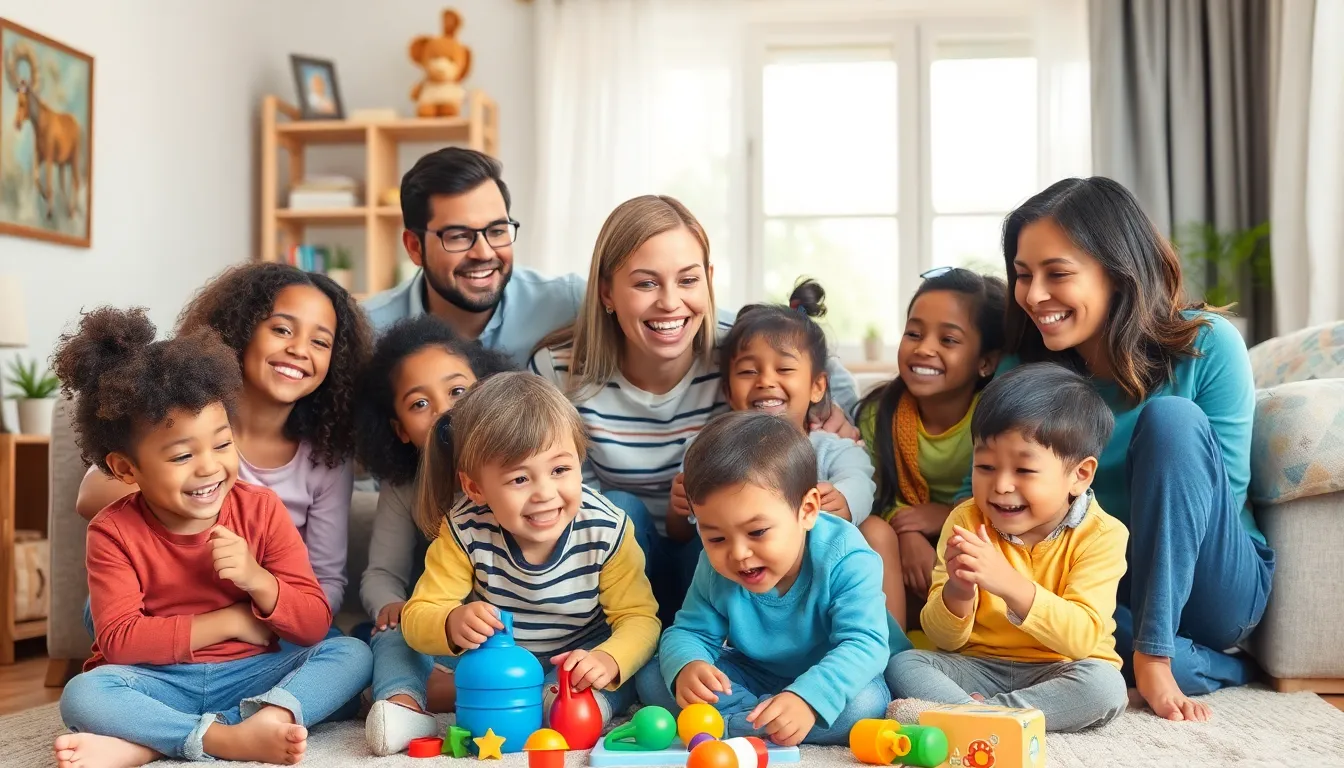
Fostering and adoption significantly impact children’s lives and families. Both approaches create nurturing environments that promote growth and emotional support.
Benefits for Children
Children in foster care and adoption scenarios gain access to stable homes. They experience a sense of belonging and love that can bolster their self-esteem. Stability leads to improved academic performance and emotional well-being. Access to resources, such as counseling and extracurricular activities, enhances their development. Lifelong relationships can form, providing lasting support as children transition to adulthood. Opportunities for social interactions increase belonging and reduce feelings of isolation. Each child benefits uniquely from the unconditional love offered by foster and adoptive families.
Benefits for Families
Families also enjoy profound rewards through fostering and adoption. They cultivate deeper connections while nurturing children from diverse backgrounds. Exposure to different cultures enhances family dynamics and broadens perspectives. Financial assistance is often available, easing the burden of supporting additional children. Skills gained through this experience improve communication and conflict resolution. Families create cherished memories filled with adventure and growth. By participating in fostering and adoption, families contribute to a community that values compassion and support. Each family’s journey fosters personal growth and a greater sense of purpose.
The Fostering Process
Fostering children involves a structured approach, ensuring a safe and nurturing environment. Each step is essential for creating a successful fostering journey.
Steps to Become a Foster Parent
- Research local foster care agencies. Understanding the available options helps prospective parents make informed decisions.
- Attend an information session offered by agencies. Attending these events provides insight into the fostering process and expectations.
- Complete an application with the chosen agency. Submitting an application begins the official journey toward becoming a foster parent.
- Participate in training programs focused on fostering skills. Engaging in training equips future parents with valuable knowledge and resources.
- Undergo a home study conducted by a social worker. This assessment ensures that the home meets safety and suitability standards for children.
- Obtain necessary clearances including background checks. Completing these checks is crucial for child safety and maintaining standards.
Requirements and Qualifications
Minimum age requirements for foster parents typically range from 21 to 25 years old. Holding a valid driver’s license and having reliable transportation is essential for attending appointments. Foster parents must also demonstrate financial stability, ensuring they can support additional children. Physical and mental health evaluations help confirm readiness for the demands of fostering. Each applicant should possess a strong commitment to providing a safe and loving home. Furthermore, fostering agencies often prefer individuals with prior experience in caregiving, which can enhance the fostering experience. Completion of training courses sometimes becomes mandatory, ensuring readiness for the challenges ahead.
The Adoption Process
The adoption process involves several steps tailored to find the best match between child and family. Understanding the various types of adoption helps prospective parents make informed choices.
Types of Adoption
Several types of adoption exist, each with distinct characteristics. Agency adoption often involves public or private organizations facilitating placements. Independent adoption takes place directly between a birth parent and an adoptive parent, often with legal assistance. International adoption allows families to adopt children from different countries, navigating specific legal requirements. Foster care adoption occurs when children in the foster care system become available for permanent placement, emphasizing the need for stability. Each type presents unique challenges and benefits, making thorough research essential.
Legal Considerations
Legal considerations in adoption vary based on jurisdiction. Prospective parents must complete paperwork, including background checks and home studies, to ensure a suitable environment for the child. Consent from birth parents is critical in most cases, and its obtaining can vary significantly depending on the adoption type. Courts often finalize the adoption, granting legal parental rights to the adoptive parents. Awareness of these legal aspects safeguards both the adoptive family and the child’s rights, ensuring a smoother transition into the new family unit. Prioritizing legal advice can clarify complex terms and procedures, aiding the overall experience.
Challenges in Fostering and Adoption
Fostering and adoption present significant challenges that families must navigate. Emotional difficulties arise as children cope with trauma from previous experiences. Such challenges often require families to develop strong coping mechanisms and support systems.
Behavioral issues can manifest in children, leading to frustration and uncertainty for parents. Communication barriers frequently occur, making it challenging to understand a child’s needs. Patience is crucial, as trust between foster or adoptive parents and children must be built over time.
Financial considerations can strain resources for many families. Costs associated with legal processes, medical care, and additional support may increase. Grant programs and financial assistance are sometimes available, but navigating these resources may add another layer of complexity.
Complex legal requirements also complicate the adoption and fostering process. Each adoption type involves distinct regulations, which require detailed understanding and navigation. Compliance with these regulations is essential for a smooth transition into family life.
Additionally, the need for ongoing training and education cannot be overlooked. Foster and adoptive parents often benefit from workshops and support groups. Developing skills in trauma-informed care and learning effective parenting strategies help address children’s unique challenges.
Support networks play a vital role in overcoming these obstacles. Connections with other foster and adoptive families provide invaluable shared experiences. Professional guidance from counselors or therapists can further support foster and adoptive parents in managing challenges successfully.
Fostering and adoption are powerful ways to create lasting change in children’s lives. These journeys not only build families but also foster resilience and growth within communities. By embracing the challenges and joys of these experiences, families can forge deep emotional connections that enrich their lives.
Support systems play a crucial role in navigating the complexities of fostering and adoption. With the right resources and guidance, families can overcome obstacles and thrive together. Each child’s journey is unique, and the love and stability offered through fostering and adoption can transform their futures.
Engaging in these life-changing paths offers profound rewards for both children and families. The commitment to nurturing and supporting one another ultimately strengthens community bonds and fosters a brighter, more compassionate world.

