
In the world of Major League Baseball, few feats are as celebrated as a no-hitter. This rare achievement showcases a pitcher’s dominance and skill, leaving fans in awe as they witness history in the making. With each no-hitter, the excitement builds, and the question arises: just how many of these remarkable games have occurred throughout MLB’s storied history?
As the league continues to evolve, the number of no-hitters remains a fascinating topic for fans and analysts alike. From legendary pitchers to modern-day stars, each no-hitter adds a unique chapter to baseball’s legacy. Exploring the total count of no-hitters offers a glimpse into the sport’s rich past and highlights the extraordinary talent that has graced the mound over the years.
Overview of No Hitters in MLB History
No-hitters represent significant milestones in Major League Baseball with a distinct lack of hits allowed by the pitching team during a game. Over the years, MLB has recorded a total of 319 no-hitters, spanning from the first one in 1875 to the most recent one. Each no-hitter showcases a pitcher’s exceptional ability to command their pitches and is celebrated across fan bases.
Post-1900, the frequency of no-hitters witnessed fluctuations, with several pitchers contributing to this list multiple times. For instance, Nolan Ryan leads the all-time list with seven no-hitters. Other notable pitchers include Sandy Koufax and Bob Feller, each achieving no-hitters that remain etched in baseball history.
Recent trends indicate an increase in no-hitters, particularly in the last two decades. The 2021 season alone recorded nine no-hitters, highlighting the evolving dynamics of pitching in today’s game. Advanced analytics and training methods contribute to pitchers’ effectiveness, making no-hitters more frequent.
The record for the most no-hitters by a single team stands at 14, held by the Chicago White Sox. This statistic underscores the historical significance of notable franchises in contributing to the no-hitter count.
Fans closely follow no-hitters, with games often generating substantial excitement, especially when a pitcher nears this elusive achievement.
Historical Context
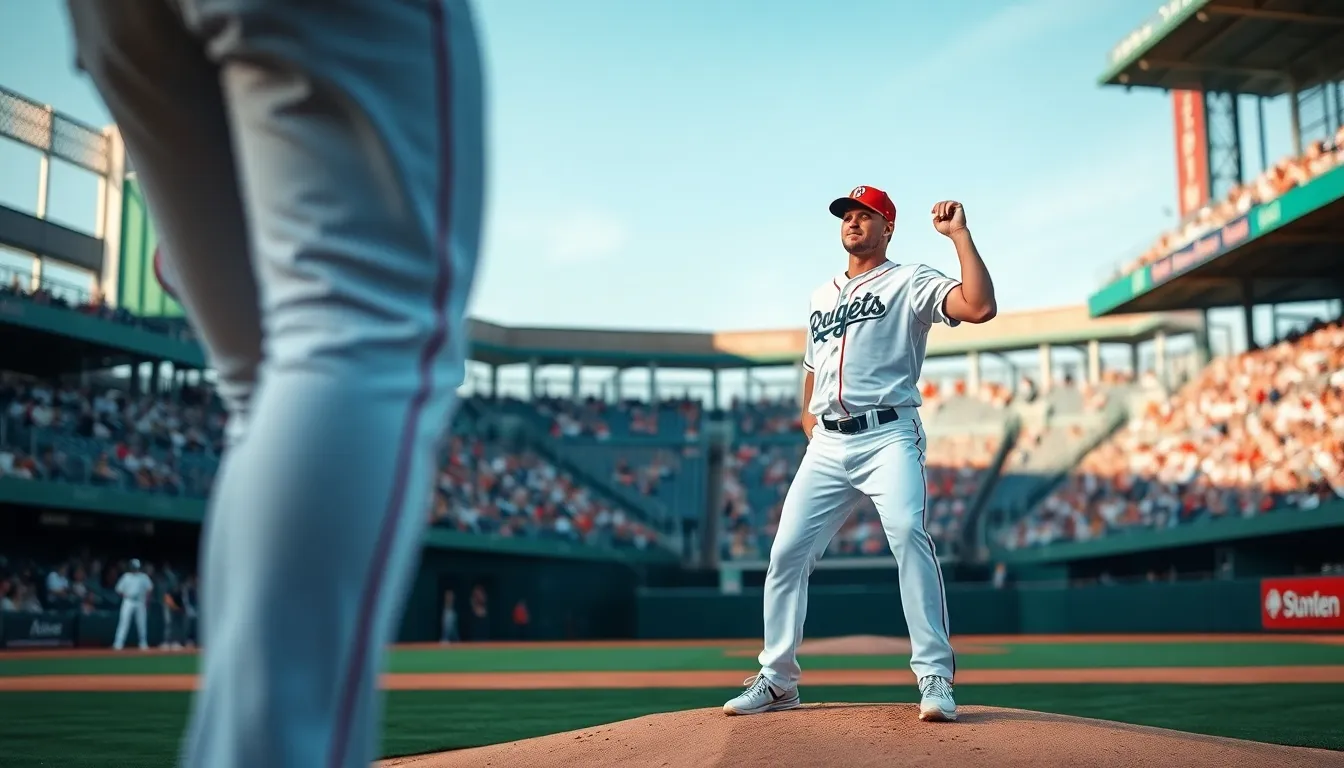
No-hitters in Major League Baseball (MLB) represent a remarkable achievement, showcasing a pitcher’s extraordinary skill. Understanding their historical context enhances appreciation for this significant aspect of the game.
Definition of a No Hitter
A no-hitter occurs when a pitcher prevents the opposing team from recording a hit throughout an entire game, lasting nine innings. Importantly, no-hitters can involve multiple pitchers, known as a combined no-hitter, where two or more pitchers collaborate to achieve the feat. To qualify as a no-hitter, a team may not record a hit; however, it can still earn runs through walks, errors, or hit batters.
Significance of No Hitters
No-hitters serve as milestones in a pitcher’s career, often remembered long after completion. They symbolize dominance on the mound, reflecting exceptional control and strategy. Historically, significant no-hitters have impacted the game’s narrative, drawing fans’ attention and creating lasting legacies for pitchers. Record-holders like Nolan Ryan, with seven no-hitters, illustrate how these occurrences contribute to both personal accolades and broader team history. Additionally, as pitching strategies evolve, understanding no-hitters provides insight into changing dynamics within the sport. In recent times, increasing no-hitters highlight the ongoing influence of advanced training and analytics, reaffirming their relevance in today’s game.
Record Holders
Record holders in Major League Baseball (MLB) highlight the pinnacle of pitching achievement through no-hitters, showcasing remarkable skill and dedication.
Team Records for No Hitters
The Chicago White Sox lead MLB teams with the most no-hitters recorded, totaling 14 throughout their history. Other notable teams include the Los Angeles Dodgers and the San Diego Padres, each achieving 8 no-hitters. Key highlights of team records include:
- Chicago White Sox: 14 no-hitters
- Los Angeles Dodgers: 8 no-hitters
- San Diego Padres: 8 no-hitters
- New York Mets: 8 no-hitters
- San Francisco Giants: 7 no-hitters
These statistics reflect not only individual pitchers’ performances but also the historical strength of these franchises.
Notable Players with Multiple No Hitters
Several pitchers have distinguished themselves by achieving multiple no-hitters, solidifying their place in baseball history. Noteworthy players include:
- Nolan Ryan: Holds the record with 7 no-hitters, showcasing his lasting impact on the game.
- Sandy Koufax: Recorded 4 no-hitters, becoming one of MLB’s legendary left-handed pitchers.
- Bob Feller: Achieved 3 no-hitters, known for his fastball and competitive spirit.
- Justin Verlander: Recently added 3 no-hitters to his resume, demonstrating modern pitching prowess.
- Clayton Kershaw: Also achieved 1 no-hitter, highlighting contemporary pitching excellence.
These players exemplify the extraordinary talent required to reach the notable milestone of multiple no-hitters in their careers.
Legendary No Hitters
No-hitters remain pivotal moments in MLB history, encapsulating a pitcher’s mastery and shaping the game’s legacy. The following sections delve into some of the most memorable no-hitters and their impact on baseball.
Most Memorable No Hitters
Several no-hitters stand out in MLB history for their unique circumstances or the excellence displayed.
- Sandy Koufax’s 1965 Perfect Game: Koufax achieved perfection by striking out 14 batters while facing 27, enhancing his status as one of the game’s legends.
- Nolan Ryan’s Seventh No-Hitter in 1991: Ryan, at 44, threw a no-hitter for the Texas Rangers against the Toronto Blue Jays, reinforcing his record for the most no-hitters in history.
- Don Larson’s 1956 World Series Perfect Game: Larson’s remarkable feat elevated the importance of the postseason. His performance against the Brooklyn Dodgers remains iconic.
- Justin Verlander’s 2019 No-Hitter: Verlander’s no-hitter for the Houston Astros solidified his place among modern pitching greats, exemplifying precision at the height of his career.
- Combined No-Hitters: The 2021 no-hitter by the Chicago Cubs, featuring five pitchers, showcases the collaborative effort in modern baseball, reflecting evolving strategies.
Impact on the Game
No-hitters significantly influence the dynamics of MLB by shaping game strategies and fan engagement.
- Strategic Changes: Teams often adapt pitching rotations and bullpen usage in response to the sustaining value of no-hitters, leading to innovative strategies.
- Fan Engagement: Fans keenly track no-hitters, creating excitement and drawing attention to pitchers’ performance, enhancing the overall viewing experience.
- Historical Context: No-hitters serve as historical milestones, celebrating extraordinary achievements that highlight pitchers’ skills while influencing baseball analytics and training methodologies.
- Cultural Significance: No-hitters contribute to the lore of the game, fostering narratives that link past and present, inspiring future generations of players and fans.
These legendary no-hitters not only illustrate exceptional talent but also shape the landscape of Major League Baseball, demonstrating their lasting importance in sports history.
Current Trends and Future Predictions
Current trends in MLB indicate a sustained interest in no-hitters, with a notable rise in occurrences since the early 2000s. The 2021 season set a record with nine no-hitters, highlighting pitchers’ increasing ability to dominate games. Analysts attribute this uptick to advancements in data analytics and training regimens that enhance pitcher performance.
Frequency of no-hitters shows substantial variance across teams and seasons. Teams such as the Chicago White Sox, with 14 no-hitters, remain at the forefront, while others, like the San Diego Padres and Los Angeles Dodgers, contribute significantly to this record. Such trends suggest franchises are evolving in their scouting and development of pitching talent.
Future predictions for no-hitters rely on continued advancements in technology and tactics. As modern analytics influence game strategies, the emphasis on specialized roles, like relief pitchers focusing on high-velocity pitches, could lead to a higher rate of combined no-hitters.
Statistical models and simulations might provide insights into how many no-hitters could occur in upcoming seasons. Analysts project a potential plateau, but innovations in training could disrupt expectations. Furthermore, as hitters adapt to pitching trends, no-hitters may become more challenging to achieve.
The cultural importance of no-hitters is undeniable. They generate excitement, turning routine games into significant events. As MLB continues to evolve, no-hitters will maintain their status as milestones in pitchers’ careers, drawing fans’ attention and shaping the legacy of the sport.
No-hitters remain a captivating aspect of Major League Baseball history. With 319 recorded no-hitters since 1875 the achievement highlights the exceptional skill and strategy of pitchers. As the game evolves so does the frequency of these remarkable feats driven by advancements in analytics and training.
The excitement surrounding no-hitters continues to engage fans and analysts alike. Notable performances from legends like Nolan Ryan and Sandy Koufax have left an indelible mark on the sport. As pitchers adapt to modern challenges the pursuit of no-hitters will undoubtedly remain a significant milestone in baseball, ensuring their place in the ongoing narrative of the game.

