
Elementary school is a magical place where kids discover the world, one crayon at a time. It’s a whirlwind of laughter, learning, and the occasional misplaced lunchbox. As they navigate this new territory, they’re not just mastering math and reading; they’re also figuring out the complex social dynamics of playground politics and snack trade agreements.
Overview of Kids in Elementary School
Elementary school serves as a crucial developmental phase for children. Kids engage in a variety of activities that foster their academic and social skills. Learning environments emphasize subjects like math and reading, promoting cognitive growth.
Teachers encourage collaborative projects to enhance teamwork abilities. Social interactions flourish on playgrounds, where friendships form through shared experiences. Children practice essential skills such as sharing and conflict resolution in these settings.
Developmentally, kids in elementary school exhibit significant milestones. They improve fine motor skills through art and writing tasks. Reading comprehension develops as they explore age-appropriate literature. Math concepts become more complex, introducing basic principles of addition and subtraction.
Parents play an active role in their children’s education. Regular communication with teachers supports student success. Parent-teacher conferences provide insight into academic progress and social behavior. Involvement in school activities fosters a sense of community and belonging.
Engagement in extracurricular activities enriches their educational experience. Options range from sports teams to art classes, catering to diverse interests. Such programs enhance physical health and foster creativity.
Schools prioritize creating safe and supportive environments. Policies address bullying and promote inclusivity among students. Teachers implement strategies to ensure that every child feels valued and respected.
Overall, kids in elementary school benefit from a well-rounded education. They acquire knowledge and develop essential life skills that prepare them for future challenges. This phase lays the foundation for lifelong learning and personal growth.
Developmental Milestones
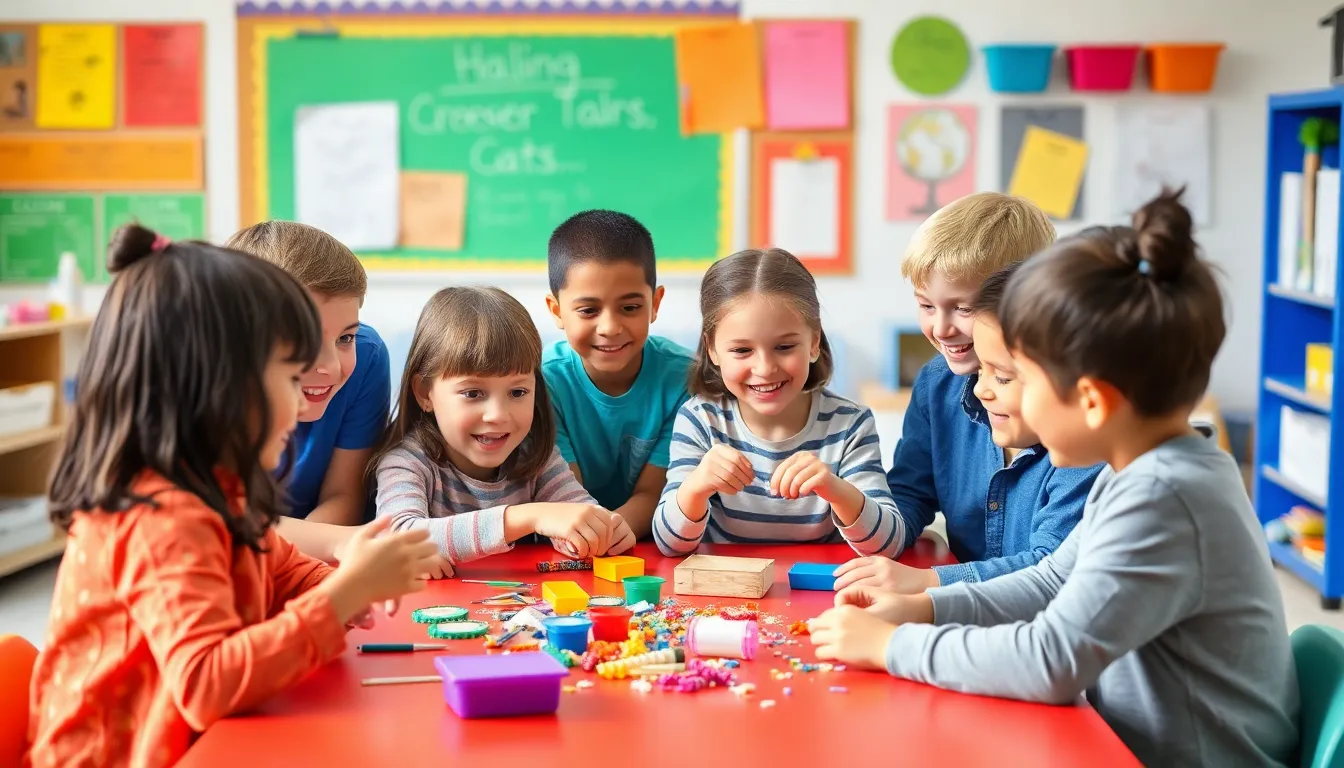
Elementary school marks a crucial phase in childhood development, characterized by significant cognitive progress and social emotional growth.
Cognitive Development
Cognitive skills advance remarkably during elementary school years. Children demonstrate an ability to think critically and solve problems in various subjects. Mastery of basic math concepts, such as addition and subtraction, occurs. Reading skills emerge, leading to comprehension of simple texts. Students often engage in group learning activities, fostering collaborative problem-solving skills. Participation in hands-on projects enhances understanding of complex ideas. Individual curiosity is encouraged through classroom discussions. These experiences lay the groundwork for future academic success.
Social and Emotional Growth
Social interactions play a vital role in children’s development during elementary school. Children learn to communicate effectively with peers and adults, building vital relationships. They practice conflict resolution through teamwork and play, strengthening their ability to navigate disagreements. Empathy emerges as kids share experiences and support friends during challenges. Establishing friendships contributes to their sense of belonging and self-esteem. Emotional awareness increases as children discuss their feelings and recognize others’ emotions. School activities often encourage cooperation, helping kids build resilience and teamwork skills.
Educational Curriculum
Elementary school education encompasses a comprehensive curriculum designed to foster academic, emotional, and social growth in children. This curated approach prioritizes essential subjects while incorporating hands-on learning experiences.
Core Subjects
Core subjects in elementary school include math, reading, science, and social studies. Math instruction focuses on foundational skills such as addition, subtraction, and basic geometry. Reading comprehension skills develop through engaging literature, enabling children to understand and analyze texts. Science lessons introduce children to the natural world through experiments and observation, while social studies teach concepts of community and history. Teachers often integrate cross-disciplinary themes, promoting deeper understanding and encouraging connections between subjects. Active participation in classroom discussions reinforces cognitive development and critical thinking skills.
Extracurricular Activities
Extracurricular activities play a significant role in enhancing the educational experience for elementary school students. Sports programs typically foster physical health, teamwork, and discipline. Art classes encourage creativity and self-expression, allowing children to explore various mediums and techniques. Music programs introduce children to rhythm, melody, and cultural appreciation. Other activities, such as drama clubs or chess teams, develop additional skills like communication and strategic thinking. Participation in these programs contributes to well-rounded development, providing opportunities for children to cultivate interests and form friendships outside of the classroom.
Challenges Faced by Kids
Kids in elementary school encounter various challenges that can impact their educational experience.
Learning Disabilities
Learning disabilities affect many children, hindering their academic development. These disabilities can manifest in difficulties with reading, writing, or math. Proper identification of these challenges often leads to tailored educational support. Specialized teaching strategies and resources improve learning outcomes. Schools frequently implement Individualized Education Plans (IEPs) to address each child’s unique needs. Early intervention plays a crucial role in helping children reach their full potential. Teachers collaborate with parents to ensure consistent support at home and school. With appropriate accommodations, students demonstrate significant progress over time.
Social Interactions
Social interactions serve as a cornerstone of elementary school life. Navigating friendships poses challenges for many kids, influencing their emotional well-being. Peer relationships shape their sense of belonging and self-esteem. Effective communication skills develop through group activities and playtime. Children often encounter conflicts, requiring them to learn valuable conflict resolution techniques. Schools promote teamwork by encouraging collaborative projects. Peer modeling enhances social skills, helping kids build empathy. Support from teachers and parents fosters a safe environment for social exploration. As children engage with others, they acquire life skills that benefit them beyond the classroom.
Tips for Parents and Teachers
Effective support from parents and teachers significantly influences children’s experiences in elementary school. Fostering a collaborative environment enhances children’s growth and learning.
Supporting Learning at Home
Create a structured routine to help kids develop good study habits. Reading together each night improves comprehension skills and builds a love for literature. Involve children in everyday math activities, such as cooking or shopping, to deepen their understanding of practical applications. Encourage setting achievable goals, so kids feel a sense of accomplishment. Regularly communicating about school projects and assignments keeps everyone on the same page and promotes accountability. Utilizing educational games at home turns learning into fun experiences, reinforcing concepts taught in class.
Encouraging Positive Interactions
Model positive communication techniques to nurture effective interaction skills among children. Practice role-playing scenarios can help kids navigate conflicts and share their feelings constructively. Engaging in cooperative games teaches teamwork and empathy, essential for friendship-building. Encourage inviting classmates over for playdates to strengthen social bonds outside school. Recognize and celebrate positive interactions, reinforcing behaviors such as kindness and sharing. Schools can host workshops for parents to share strategies that promote emotional intelligence at home, further supporting children’s development.
Elementary school plays a pivotal role in shaping children’s futures. It’s a time filled with discovery and growth where academic learning intertwines with essential social skills. Through engaging activities and supportive environments, kids develop not just their intellect but also their emotional intelligence.
Parents and teachers working together can significantly enhance this experience, ensuring children receive the guidance they need. By fostering a sense of community and encouraging participation in various activities, they help create well-rounded individuals.
As children navigate friendships and learn to communicate effectively, they build a strong foundation for lifelong learning and personal development. The experiences gained during these formative years truly set the stage for future success.

