
There’s something magical about cooking together, especially when it involves making pasta from scratch. For many families, pasta making isn’t just a meal; it’s a cherished bonding experience. Children love getting their hands messy with flour and water, transforming simple ingredients into delicious creations.
Benefits of Pasta Making with Children
Pasta making offers numerous benefits for children, ranging from skill development to creative expression. Engaging in this activity promotes learning while fostering family bonds.
Enhancing Motor Skills
Pasta making enhances motor skills through hands-on activities. Mixing dough improves coordination as children measure, knead, and roll. Cutting shapes with various tools fosters precision and control. Handling ingredients develops grip strength and fine motor abilities, essential for future tasks like writing and crafting.
Encouraging Creativity
Pasta making encourages creativity by allowing children to experiment with flavors and shapes. They can choose different colors, such as using spinach or beet juice for vibrant pasta. Creating unique designs or incorporating various ingredients stimulates imagination and showcases individuality. Exploring new recipes fosters innovation and cultivates a sense of accomplishment.
Essential Ingredients and Tools
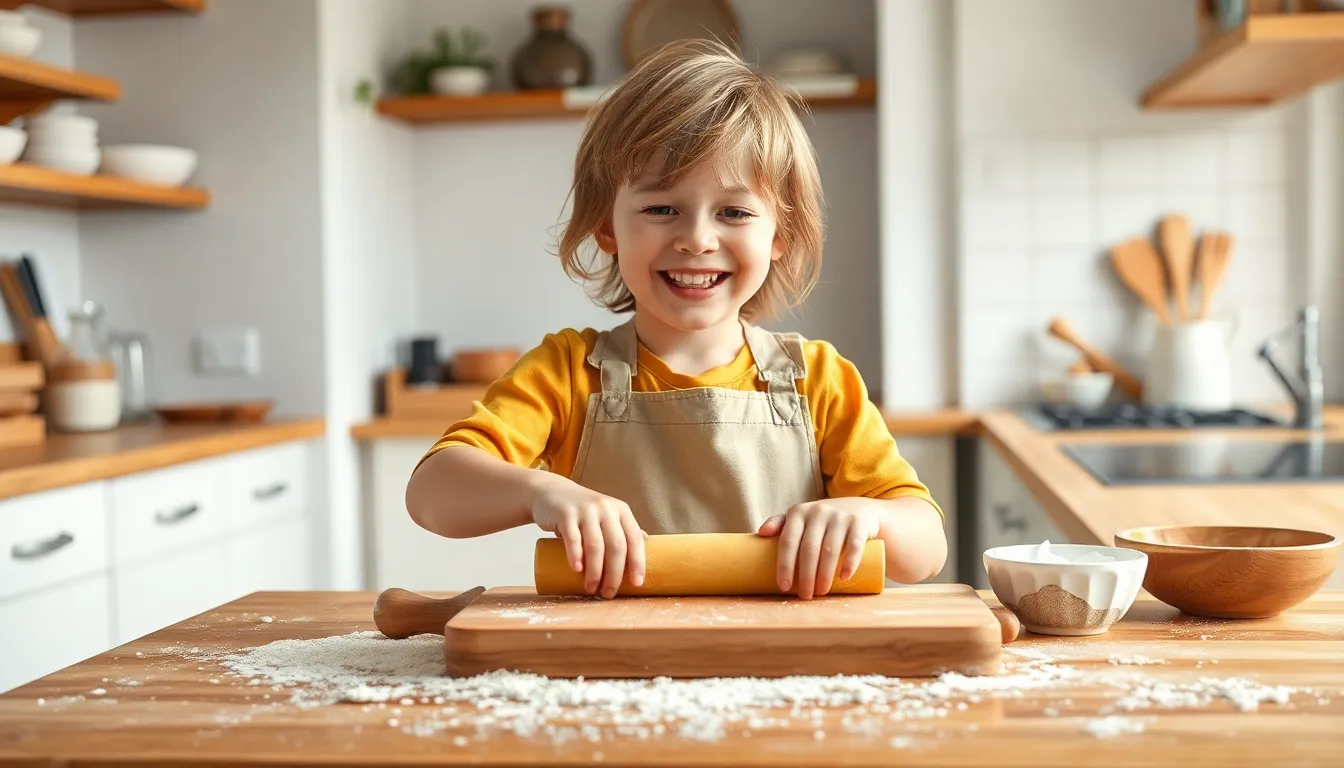
The pasta-making process requires specific ingredients and tools to ensure a successful experience with children. Utilizing high-quality items not only improves the final product but also makes the activity more enjoyable.
Basic Pasta Ingredients
- All-purpose flour: Choose 2 cups for the dough base; this provides the necessary structure.
- Eggs: Use 2 large eggs; they add moisture and enrich the flavor.
- Salt: Incorporate 1 teaspoon for taste enhancement; it balances the dough.
- Water: Include 1-2 tablespoons if needed for consistency; this helps achieve the desired texture.
- Semolina flour: Opt for ½ cup for dusting; this prevents sticking during the rolling process.
Kid-Friendly Kitchen Tools
- Mixing bowl: Utilize a large, sturdy bowl for mixing ingredients; children can easily combine flour and eggs.
- Rolling pin: Select a lightweight option for kids to roll out the dough; this promotes fine motor skills.
- Dough cutter: Use a plastic cutter for shaping; it’s safe for little hands and ideal for cutting pasta shapes.
- Measuring cups and spoons: Equip with easy-to-read measurements for accurate ingredient portions; kids can learn measurement skills.
- Pasta machine (optional): Consider a hand crank machine for rolling thin sheets; while not essential, it adds fun and variety to the process.
Step-by-Step Pasta Making Process
The pasta-making process involves several key steps that children can actively participate in. This hands-on activity teaches them valuable skills while creating a delicious meal together.
Preparing the Dough
- Gather the ingredients: Use 2 cups of all-purpose flour, 3 large eggs, and 1 teaspoon of salt.
- Create a well: On a clean surface, make a mound with flour and form a well in the center.
- Add eggs: Crack the eggs into the well, sprinkling salt evenly around.
- Mix together: With a fork, gently whisk the eggs, gradually incorporating flour from the edges.
- Knead the dough: Once mixed, gather the dough and knead it for about 8-10 minutes, until smooth and elastic.
- Rest the dough: Wrap the kneaded dough in plastic wrap and let it rest for 30 minutes.
Shaping the Pasta
- Divide the dough: Cut the rested dough into four equal portions.
- Flatten the portions: Use hands to flatten each piece slightly for easier rolling.
- Roll the dough: Use a rolling pin to roll each piece to about 1/8 inch thick, adjusting for desired thickness.
- Cut the pasta: Use a plastic dough cutter to slice the rolled dough into desired shapes (tagliatelle, fettuccine, or squares).
- Dust the pasta: Lightly sprinkle flour on cut pasta shapes to prevent sticking.
Cooking and Serving
- Boil water: Fill a large pot with water and add a tablespoon of salt. Bring to a boil.
- Cook the pasta: Add the pasta to boiling water, cooking for 2-4 minutes, or until al dente.
- Drain the pasta: Use a colander to drain the cooked pasta, reserving a cup of pasta water for sauce.
- Prepare sauce: While pasta cooks, heat the chosen sauce in a separate pan, adding reserved pasta water for consistency.
- Combine and serve: Mix the drained pasta with the sauce, plating and garnishing as desired.
Engaging in these steps allows children to experience the entire pasta-making process, from dough preparation to enjoying the final product.
Fun Variations to Try
Exploring various pasta variations adds excitement to the cooking process. Trying themed pasta shapes and colorful pasta with natural dyes enhances the experience for children.
Themed Pasta Shapes
Creating themed pasta shapes promotes creativity and fun. Children can use cookie cutters to make animal-shaped or holiday-themed pasta. Examples include:
- Animal shapes: Use cookie cutters to form pasta into shapes like stars, hearts, or animals.
- Holiday shapes: Form pasta into shapes that represent seasons or holidays, such as pumpkins for Halloween or snowflakes for winter.
Engaging children in these activities fosters imagination while making mealtime more enjoyable.
Colorful Pasta with Natural Dyes
Utilizing natural dyes allows children to experiment with colors while making pasta. Various ingredients can create vibrant hues. Examples include:
- Beet juice: Produces a rich red hue, adding flavor and color.
- Spinach: Creates a green pasta, offering health benefits and visual appeal.
- Turmeric: Yields a bright yellow shade, introducing a warm tone to dishes.
These colorful variations not only make pasta visually appealing but also encourage children to explore new flavors and textures.
Pasta making with children is more than just a culinary task; it’s a delightful journey that strengthens family ties. The hands-on experience allows kids to explore their creativity while developing essential skills. Each step from mixing ingredients to shaping pasta becomes a memorable moment filled with laughter and learning.
As families experiment with different shapes and colors, they create not just a meal but lasting memories. This engaging activity fosters a love for cooking and encourages children to appreciate the art of food. Embracing this joyful experience makes mealtime a celebration of togetherness and creativity.

